
Legal Literacy - There is something wrong with the way our Parliament has been working lately. Just imagine, the discussion of the Draft Law on the Elimination of Sexual Violence (RUU PKS) takes years, is stalled, and is full of postponement dramas. However, when it comes to revising the KPK Law or ratifying the Job Creation Law which amends dozens of laws at once, Senayan suddenly has supersonic speed. A manuscript as thick as a pillow can be completed in a matter of days, even the meetings are held in the middle of the night when people are sleeping. "Reckless" may sound harsh for a law journal, but it is difficult to find another word that is more precise to describe this phenomenon. We are not talking about bureaucratic efficiency; we are talking about the hijacking of legislative procedures that is carried out openly, systematically, and most terribly legalized by state institutions.
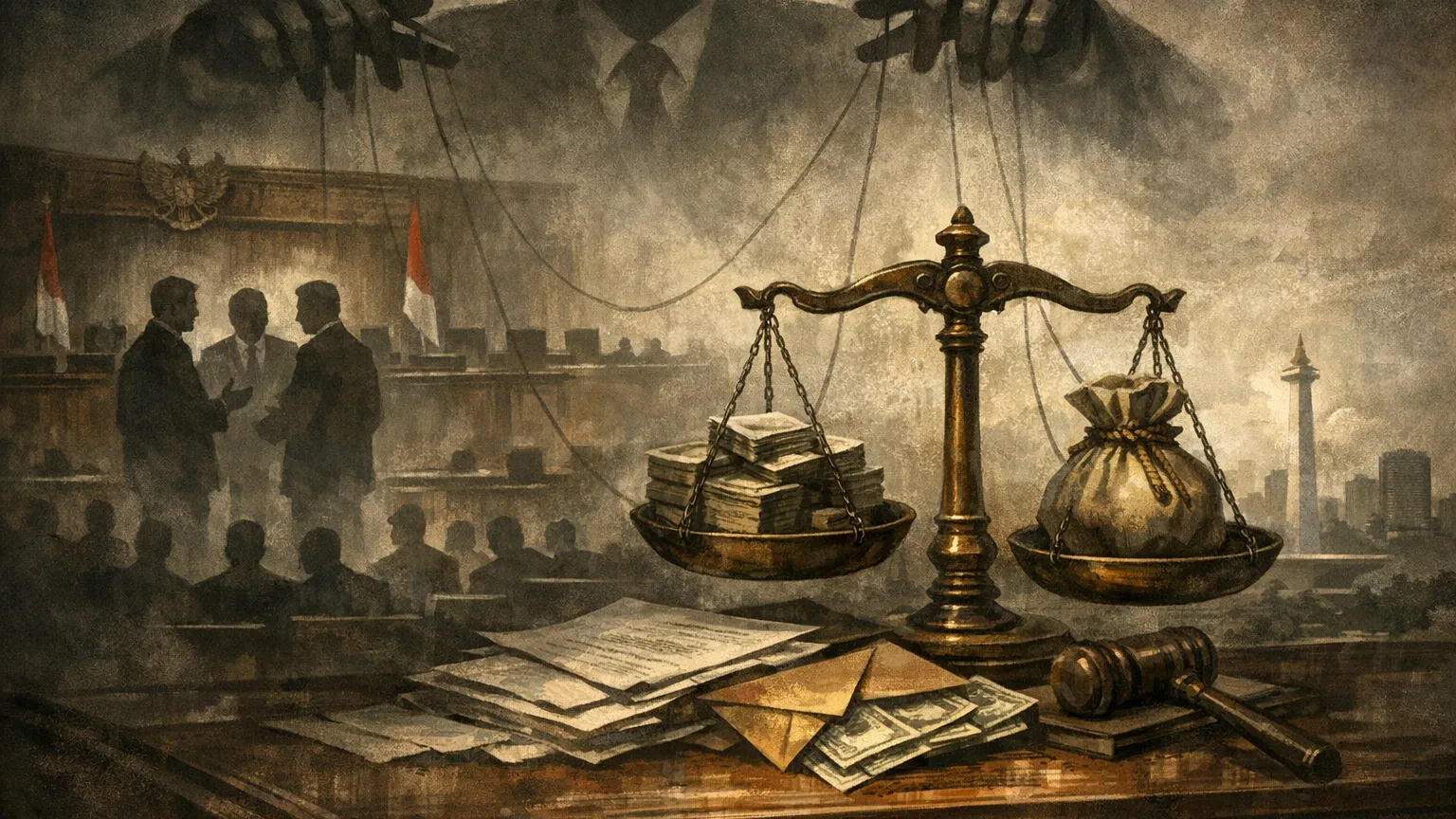
I have spent decades dealing with articles and academic texts, observing how laws are formed from time to time. Believe me, what is happening now is not just technical negligence or a sudden burst of work spirit. We are seeing a fundamental shift in the paradigm of power. In the past, authoritarian regimes needed soldiers and weapons to silence criticism or smooth out development agendas. Today, the authorities only need to manipulate the rules of procedure and control the majority of parliamentary seats. The result is the same: public aspirations are suppressed, the opposition is silenced. The difference is, one uses a rifle, the other uses a gavel. This is the new face of our power that I call Procedural Authoritarianism or Procedural Authoritarianism (Ginsburg & Huq, 2018: 86–92). Law is no longer a limitation of power, but is reduced to a technology of power to legalize the will of a handful of elites.


Procedural Authoritarianism: The New Face of Reckless Legislation
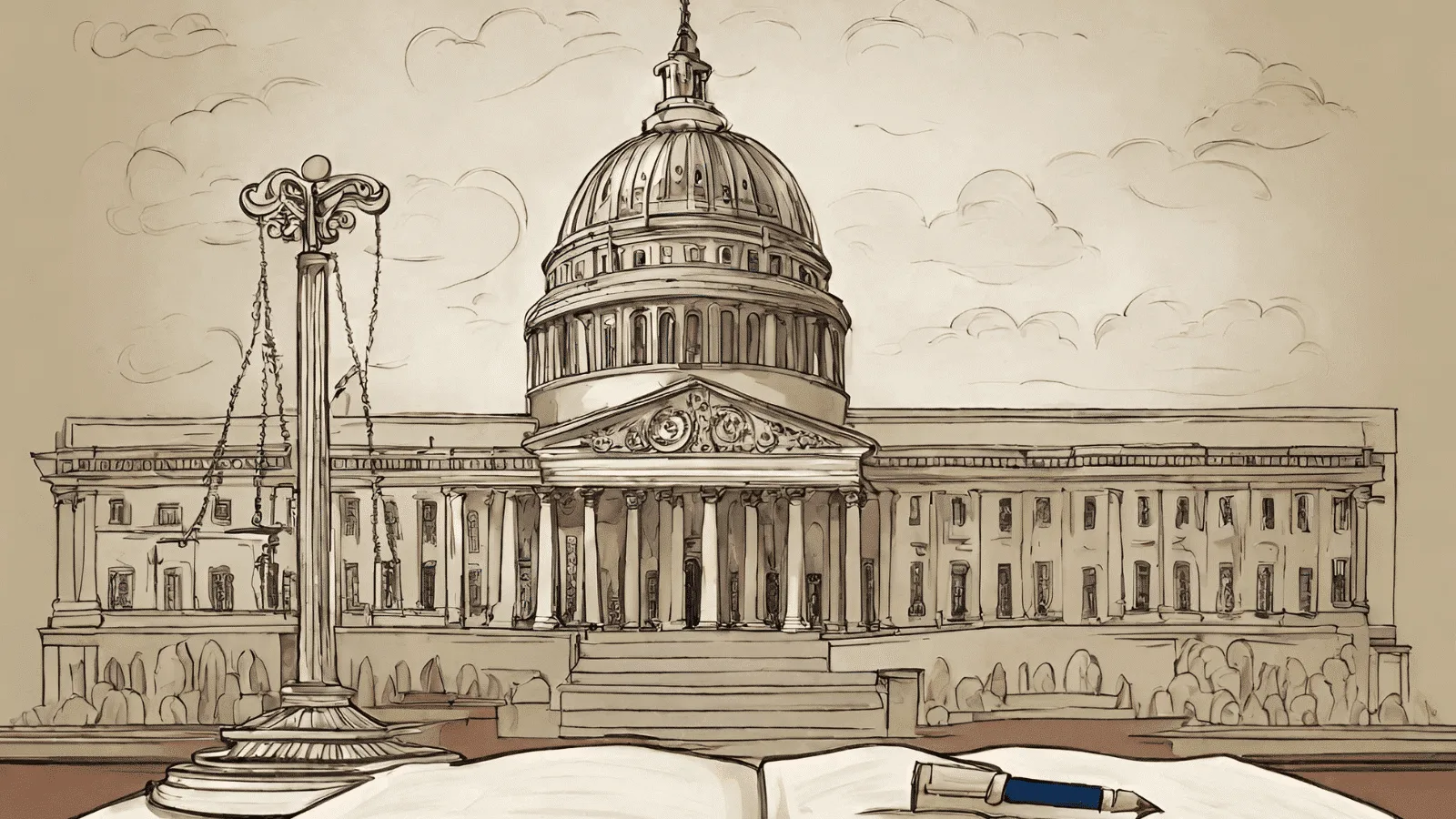
This damage is not merely a matter of speed, but a direct attack on the heart of the constitution. Let us dissect its anatomy. Article 20 of the 1945 Constitution explicitly grants the power to form laws to the DPR (House of Representatives). The spirit of this article is deliberation—fierce debate to test every norm so that it does not harm the people. But look at the empirical data in the field. Since the government coalition has grown and controls more than 80% of parliamentary seats, the function of checks and balances is practically in a state of suspended animation. Senayan (the location of the parliament building) is no longer an arena for the battle of ideas, but merely an administrative space to legalize the wishes of the executive. What Noam Chomsky called manufactured consent still assumes there is an effort to shape public opinion. In Indonesia, public opinion is not even considered relevant. What happens is a "cartelization of consent." The party chairman whispers, the faction members nod. The debate mechanism is changed into closed-door lobbying in five-star hotels, while the Plenary Session is only a stage for theatrical performances to bang the gavel (Mochtar & Rishan, 2022: 355–357).
Omnibus Law and the Oligarchic Footprint in Lawmaking
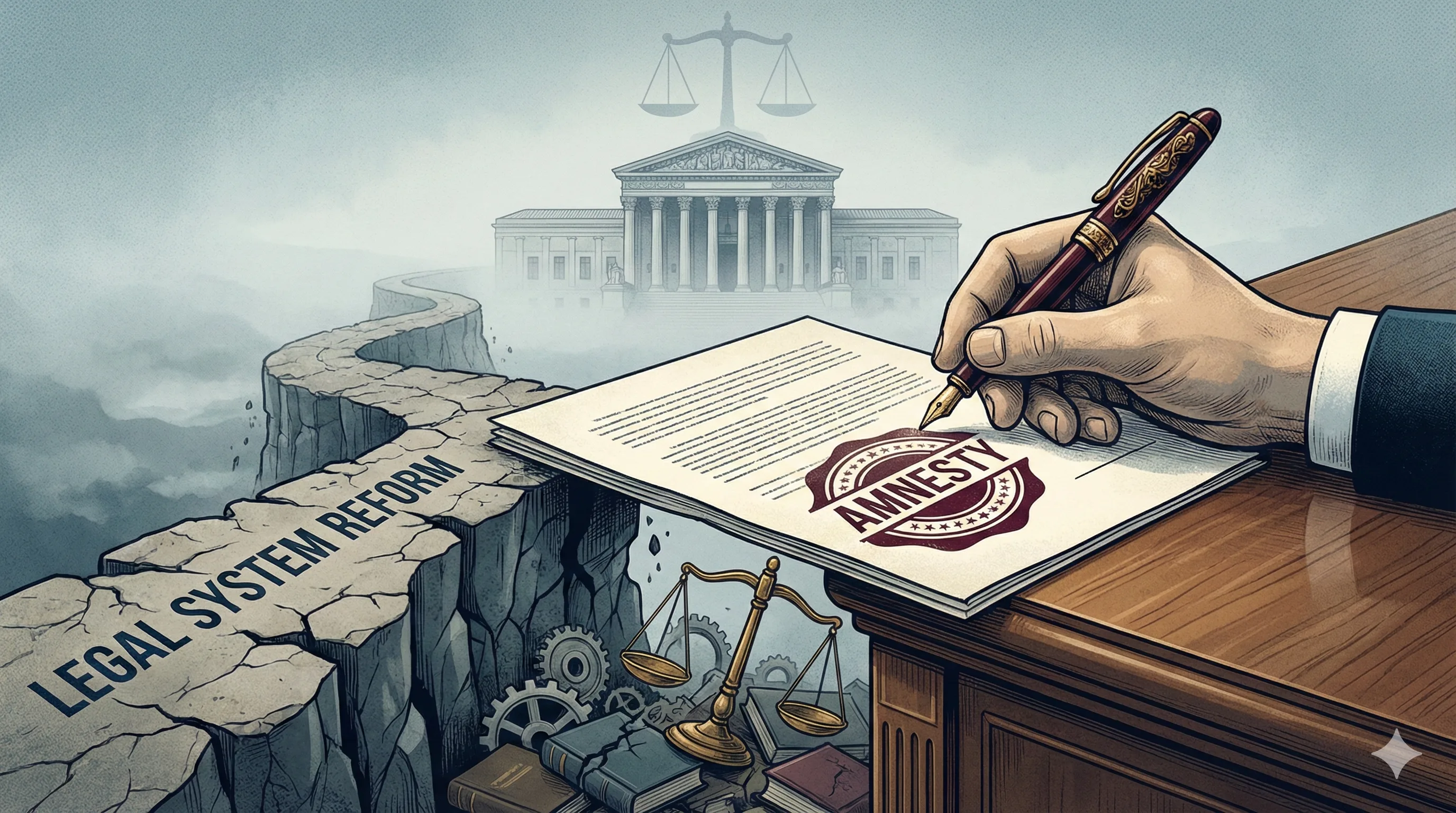
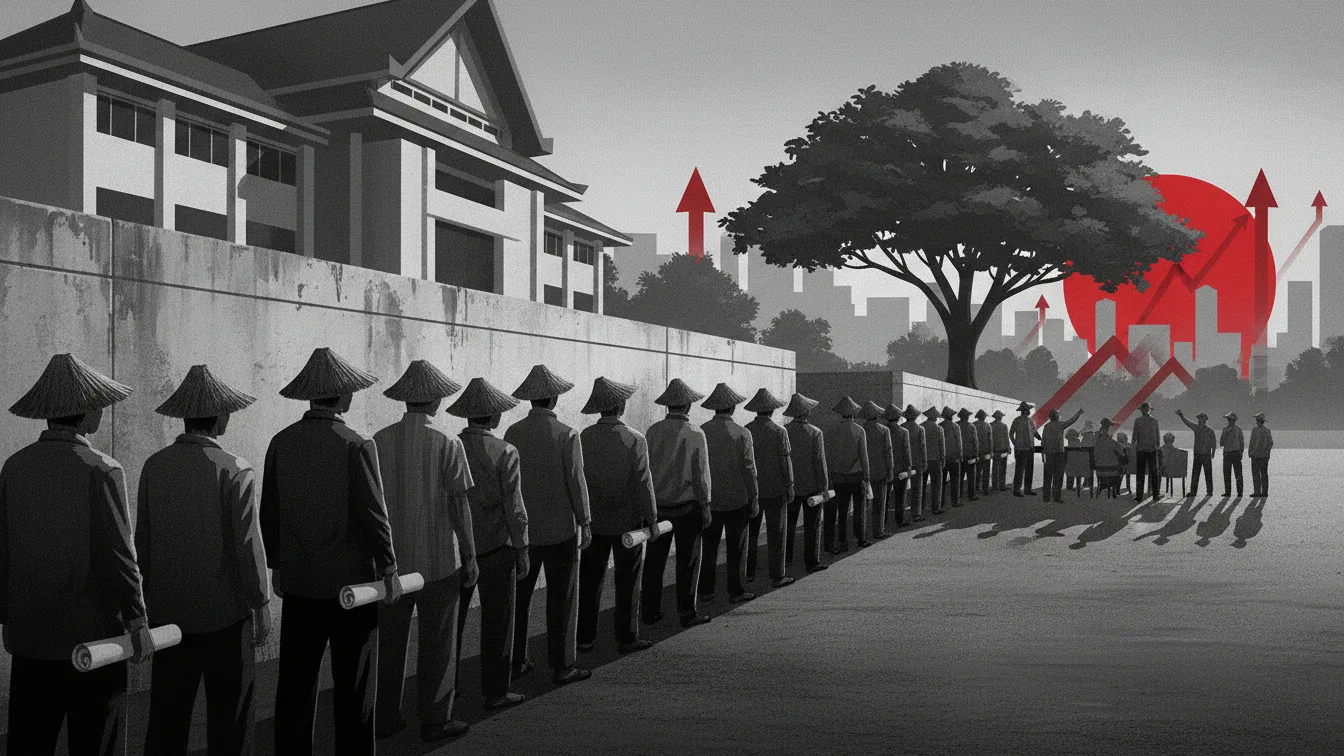
The question then becomes, who actually benefits from this insane speed? Cui bono? The answer is simple but painful: the oligarchy that needs investment certainty in a short time. They do not want to wait for lengthy debates in parliament that could change the substance of article after article. The omnibus law model and the rapid revisions are not technical innovations in legislation, but rather the product of capital demands that want the rules of the game to be completed before capital is invested. Jeffrey Winters (2011: 18) once warned that in a democracy controlled by an oligarchy, the law will only serve the defense of wealth (wealth defense). So, reckless legislation this is not an accident or negligence; it is a deliberate political architectural design to accommodate the interests of certain groups while silencing others with the narrative "for the sake of economic growth."













Comments (0)
Write a comment