Legal Reform and Solutions to Stop Reckless Legislation
The question now is: should we surrender to this dark fate?
The answer is a firm no. However, the solution will not come from the moral awareness of the elite. Structural damage must be addressed with forceful surgical intervention. First, we need a total reform of the Law on the Establishment of Laws and Regulations (UU P3) by including a "mandatory waiting period" clause. Every academic paper and draft bill must be published in full on the official website at least 60 days before the first-level discussion begins. Otherwise, the bill will automatically lapse by law. We need a coercive mechanism that cannot be negotiated by the DPR's rules of procedure. Transparency should no longer be an option; it must be a condition for the validity of a law.
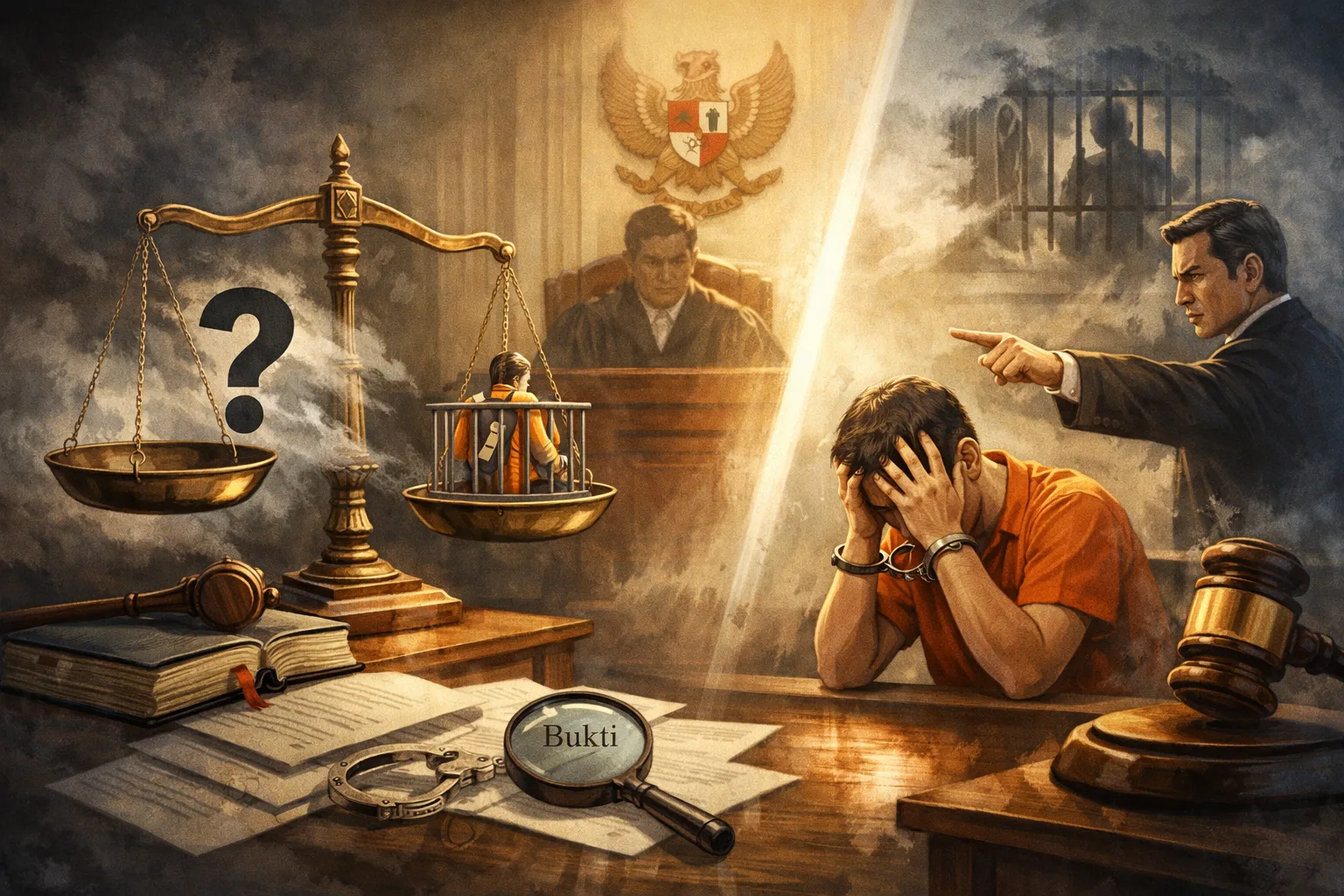
The second step is the implementation of budget sanctions. If a law is annulled by the Constitutional Court due to formal defects, the operational budget of the DPR Commission that discussed it and the relevant ministry must be cut in the following fiscal year. There must be financial consequences for lazy and careless legislators. So far, they have been making substandard laws without any risk. People's money is spent on meetings in hotels, the result is garbage laws, and no one is held accountable. Third, the Constitutional Court must carry out measured judicial activism. The Constitutional Court needs to immediately issue a Constitutional Court Regulation that affirms standard formal review standards. If the requirements for public participation are not met quantitatively and qualitatively, the Constitutional Court must annul the law in its entirety without any "conditional" embellishments. The doctrine of "conditionally unconstitutional" for formal defects must be buried deeply.
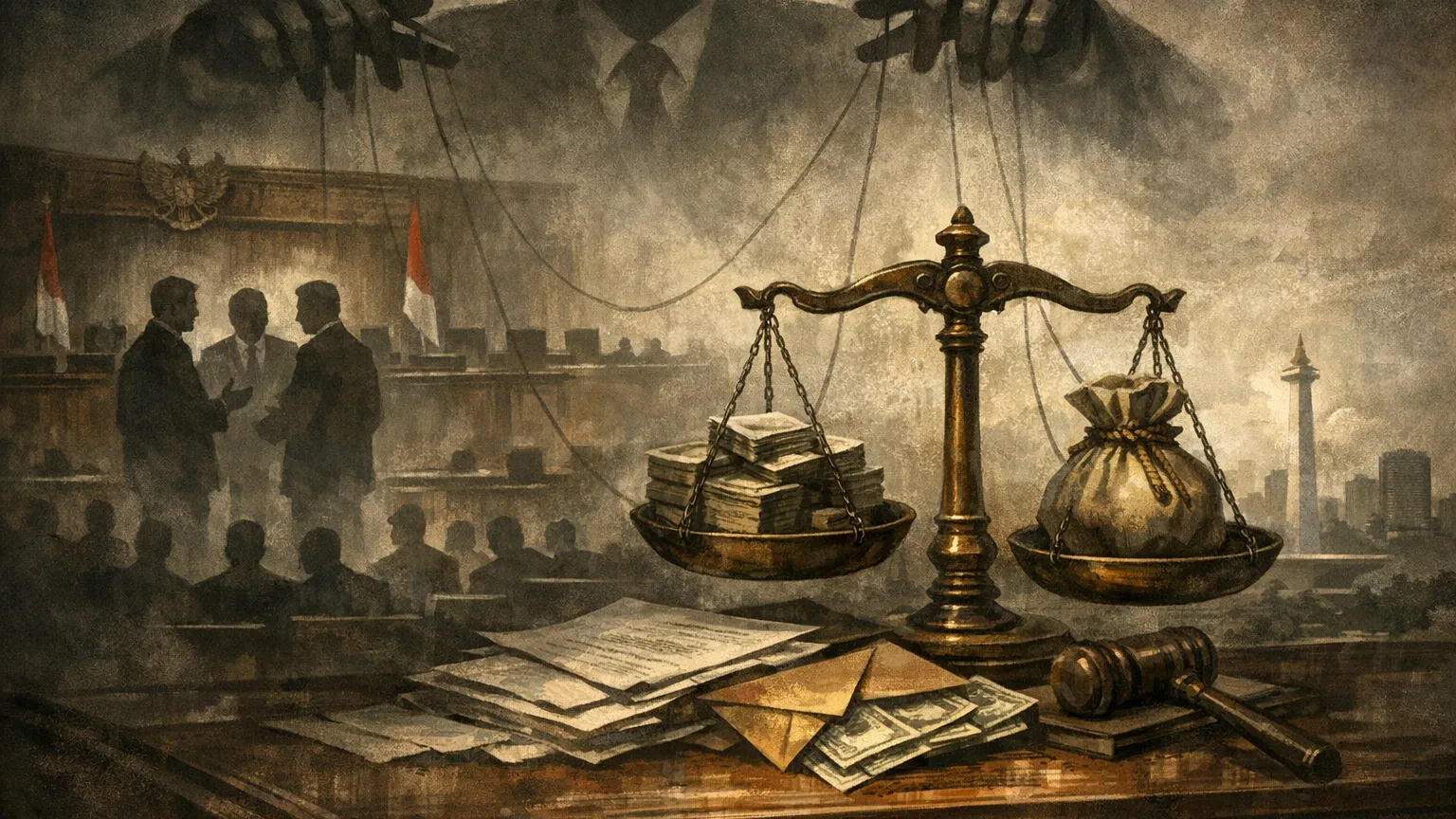
This country was built by the founding fathers with long, tiring, but honorable debates (Latif, 2011: 65–70). They argued about a single word in the Jakarta Charter for days because they realized that words in law are the lifeblood of the nation. Today, we see that legacy betrayed by the gavel that chases project deposits. If we remain silent and watch this reckless legislation become the new normal, then do not cry if one day, even our most private rights are seized by the state overnight, and we have no legal basis to fight it. Because at that time, the law is no longer our protector, but a weapon used to tame us.













Comments (0)
Write a comment