
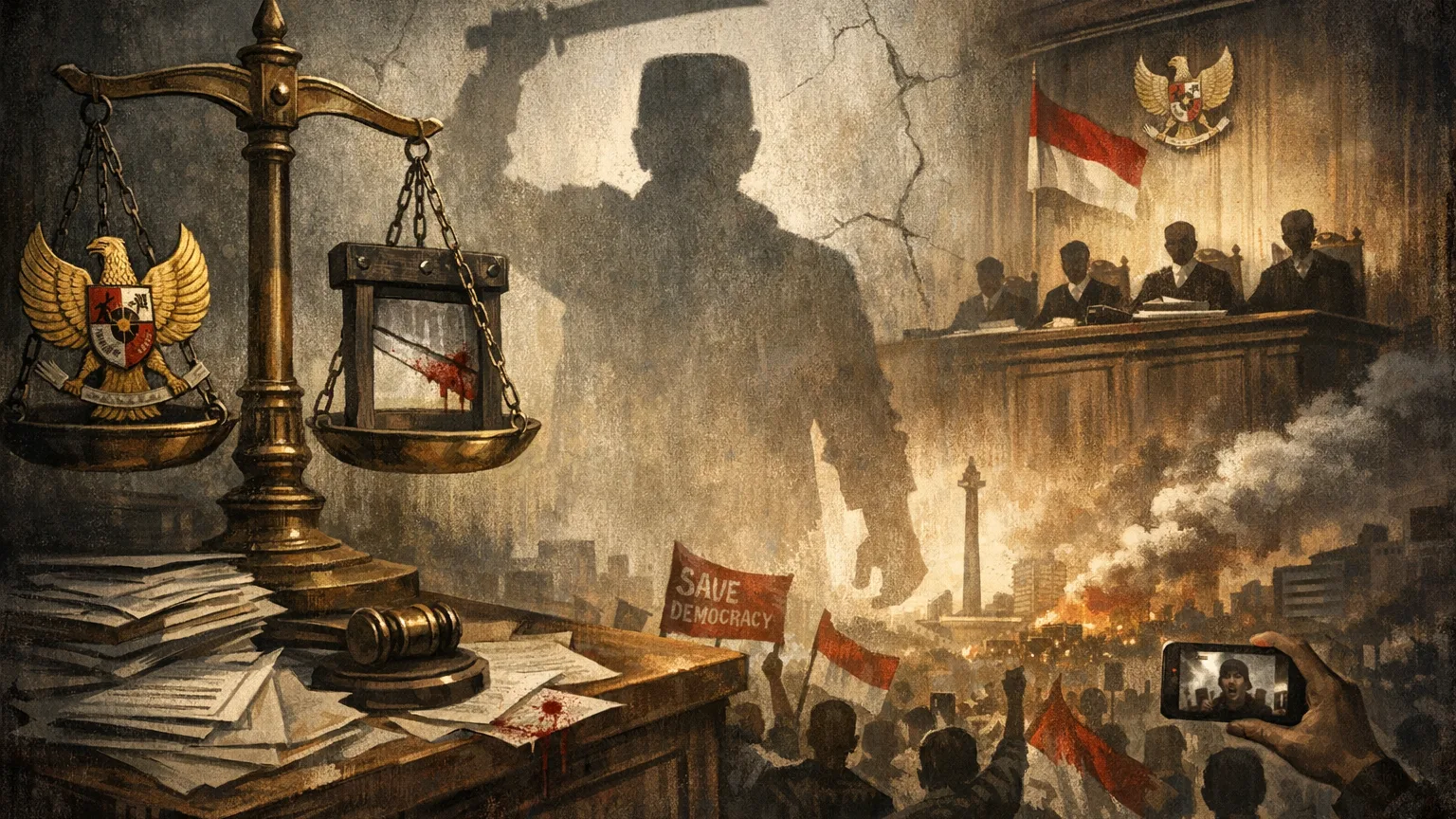
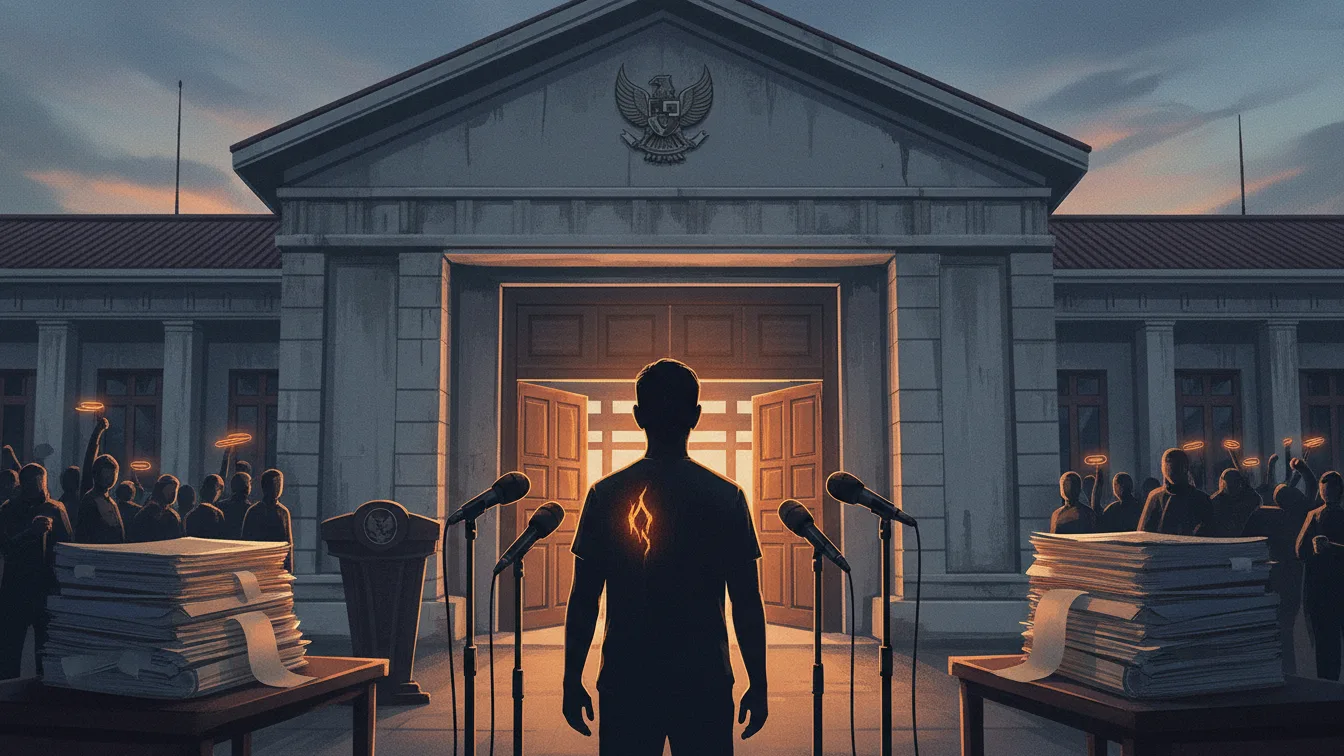
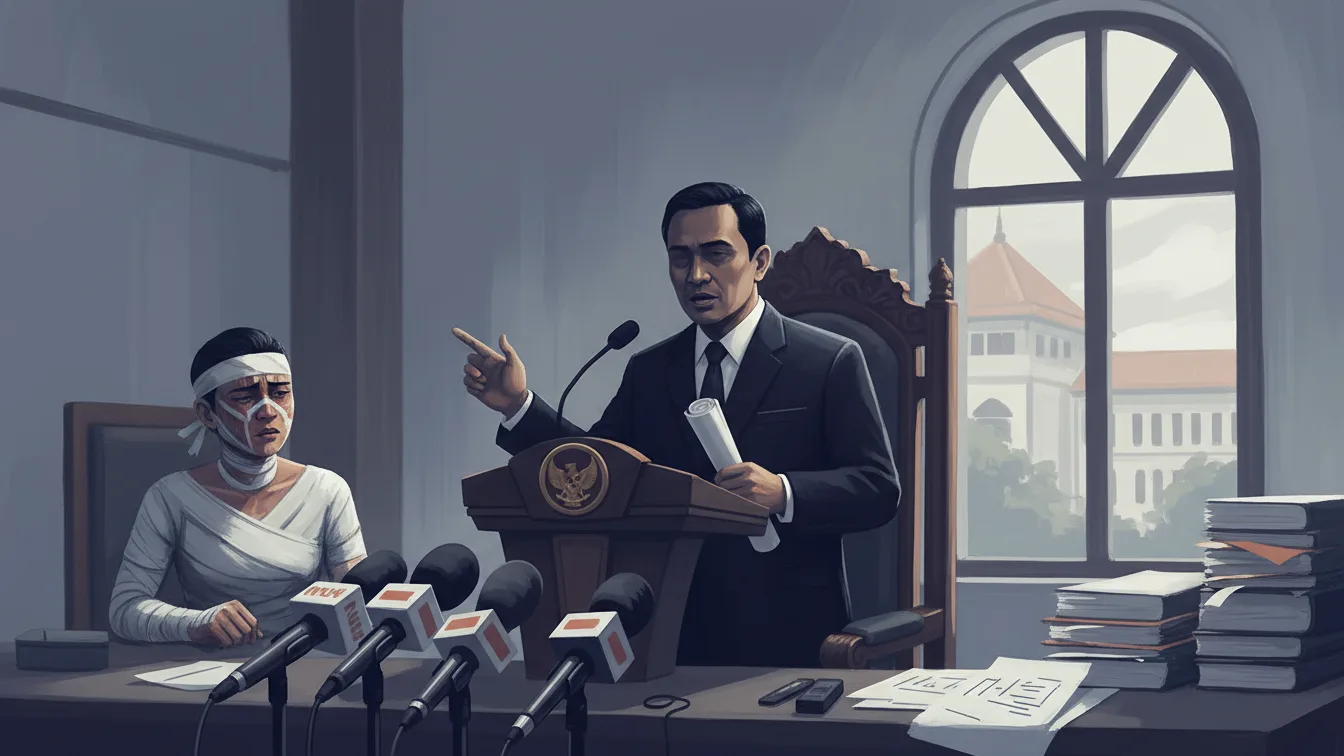
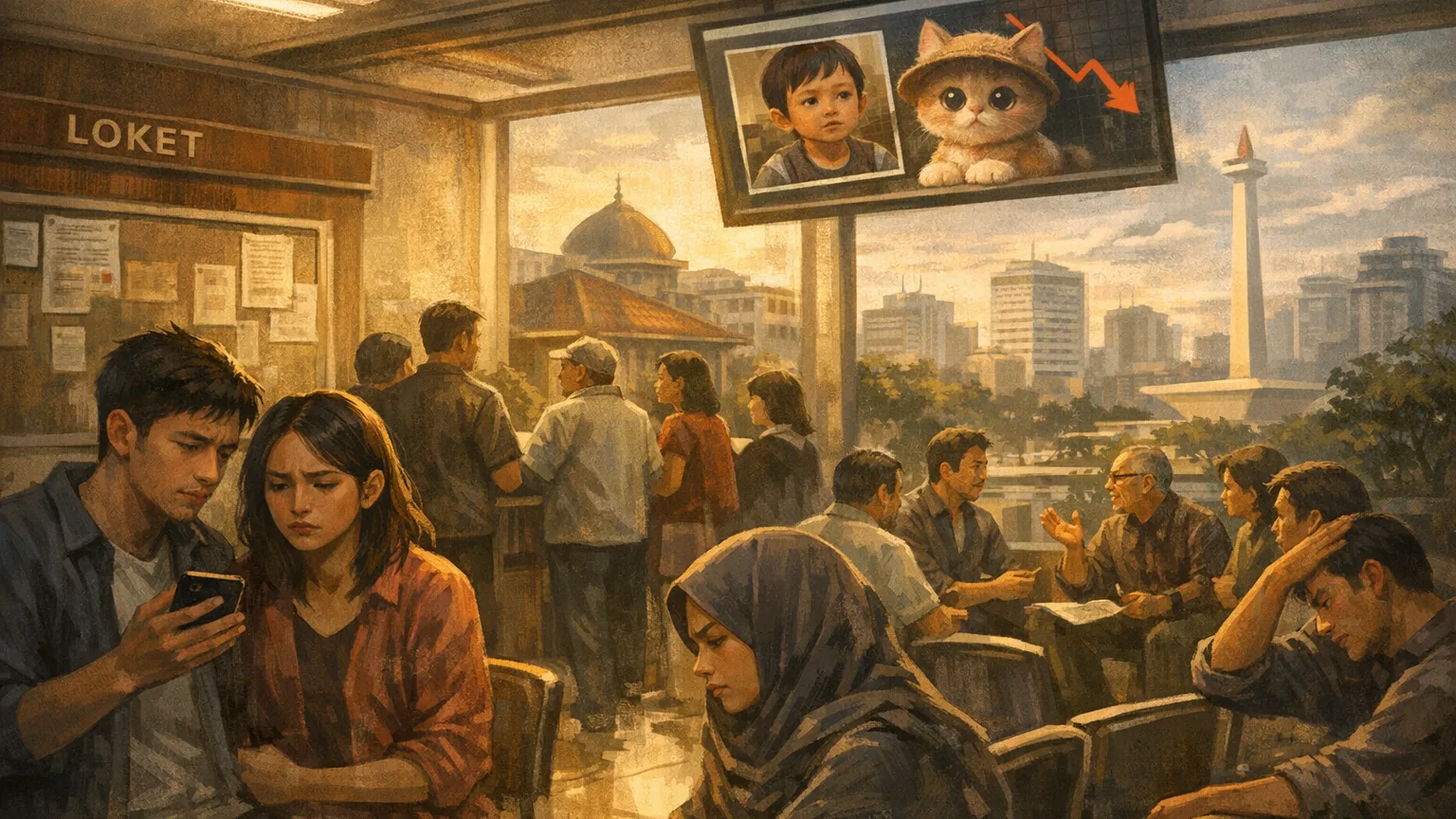
Legal Literacy - In recent years, especially after the 2024 presidential election in Indonesia, the public sphere has been filled with increasingly fierce debates between government critics and its defenders. Social media has become the main arena for the battle of opinions. Criticism of state policies is often met with accusations of opposition propaganda, while those who defend the government are often suspected of being buzzers or actors with certain political interests. This situation shows that public debate is no longer solely about the substance of policies, but also about the legitimacy to speak. Criticism is seen as a political attack, while defense is seen as propaganda. This kind of polarization raises a more fundamental question: is freedom of expression only intended to protect criticism of power, or does it also protect the right of citizens to defend the government?
Freedom of Expression as a Constitutional Right
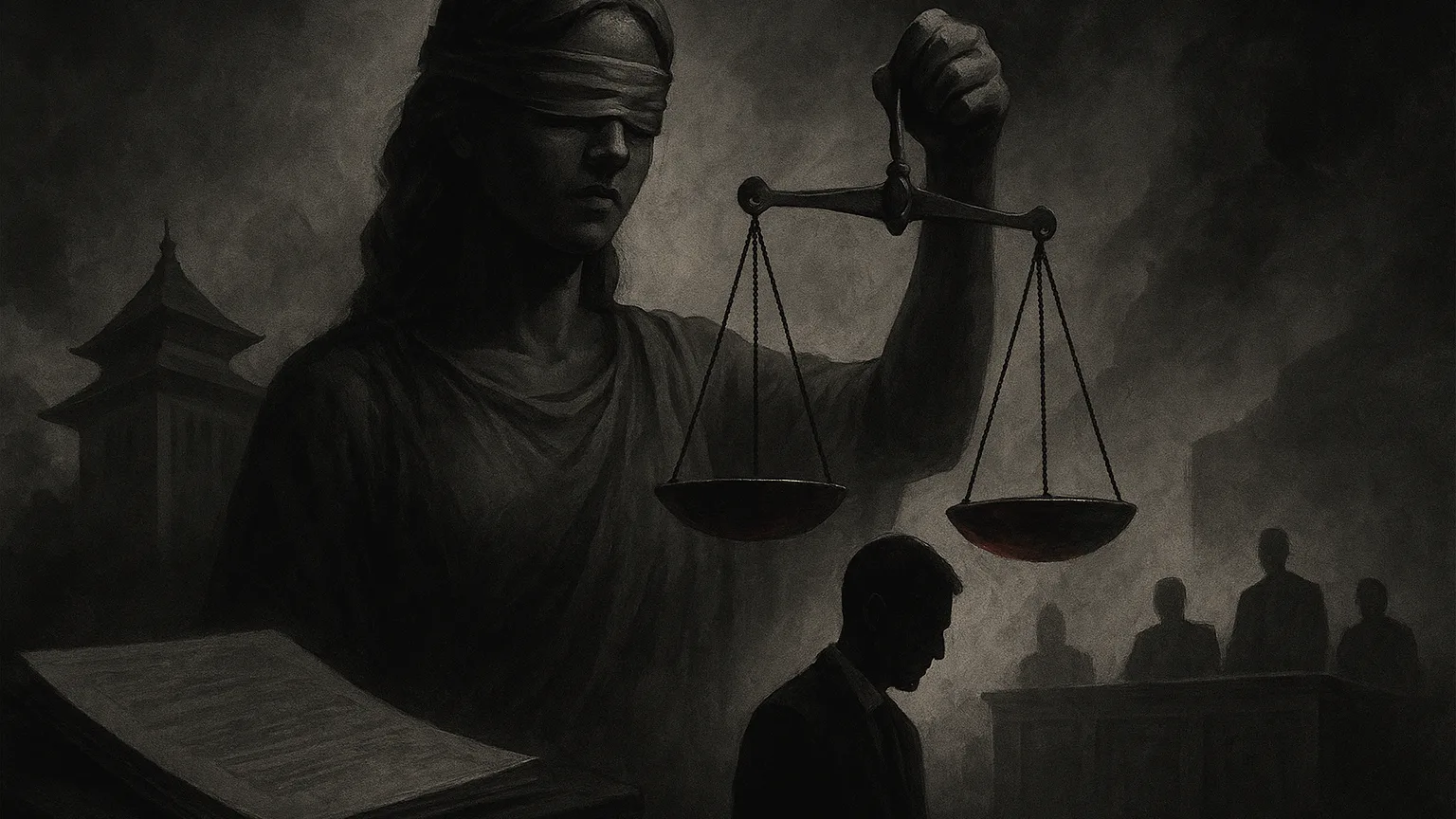
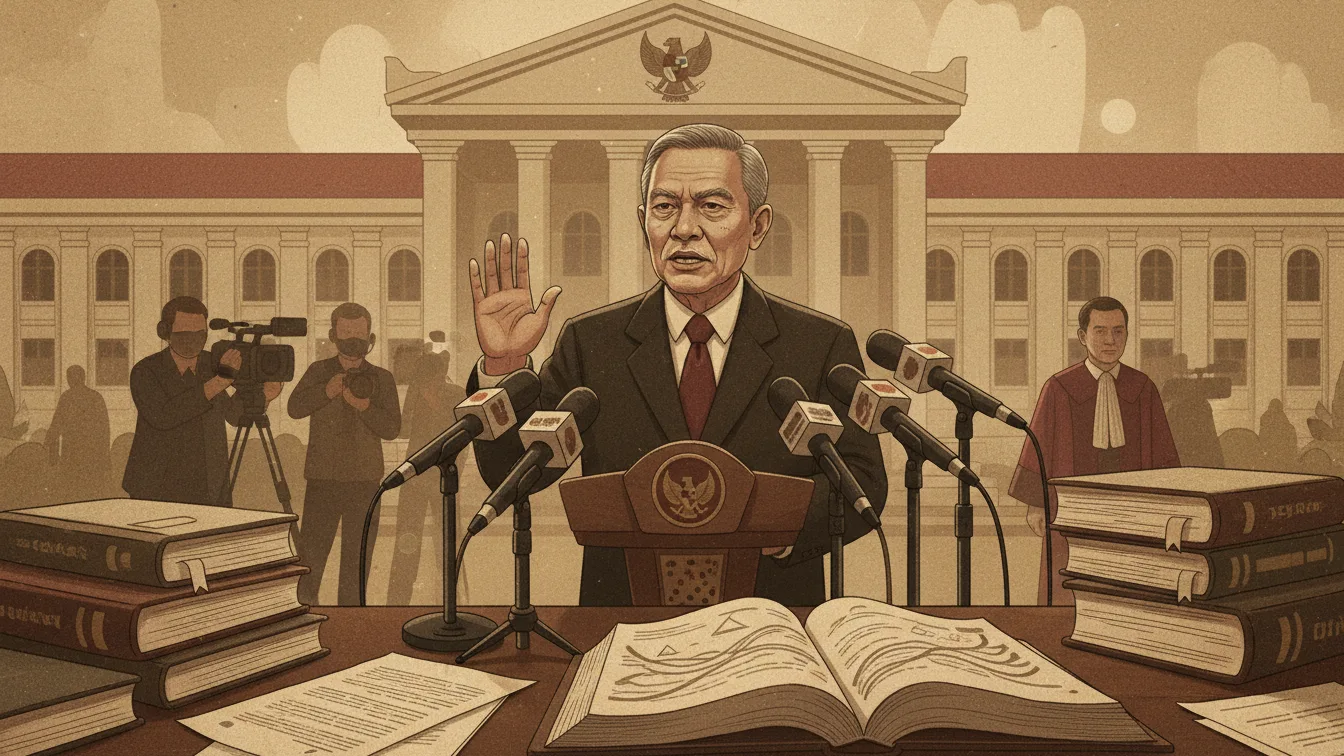
Constitutionally, freedom of expression is a basic right of citizens. This guarantee is affirmed in Article 28E paragraph (3) of the 1945 Constitution of the Republic of Indonesia which states that everyone has the right to freedom of association, assembly, and expression of opinion. The same protection is also reinforced in Law Number 39 of 1999 concerning Human Rights. In the framework of a democratic state, freedom of expression provides space for various forms of political participation by citizens. This includes criticism of the government as a mechanism for overseeing power, as well as support for the government as an expression of political belief. Both forms of expression are manifestations of the same right, namely the freedom to express views in the public sphere.


Thus, democracy not only provides a place for the opposition, but also for those who choose to support government policies. Limiting one of them means reducing the meaning of freedom of expression itself.

















Write a comment