When the Law Loses Its Soul
Legal Literacy - A conversation in the silence of dawn with a friend who works as a prosecutor sparked this writing. Amidst the first sips of morning coffee, he recounted with a tone...

Opinion Note
This article represents the author's opinion/view and does not represent the views of the Indonesian Legal Literacy editorial team.
CONTRIBUTOR PROGRAM
You can become a columnist at Legal Literacy.
Submit your legal opinion/analysis article. If published, you have the opportunity to receive payout/honorarium according to the provisions.
Table of Contents
Legal Literacy - A conversation in the silence of dawn with a friend who works as a prosecutor sparked this writing. Amidst the first sips of morning coffee, he recounted with a tone that implied a burden, "Becoming an enforcer law it is not enough to only have conscience. There is a hierarchy, there are institutional rules that bind." He continued, "If I am too idealistic and only follow my conscience, I myself could be examined by internal supervisors." That honest expression—which came from the heart of the law enforcement system—opened a deep reflection: To what extent does conscience still have a place in the jungle of bureaucracy and legal articles that often feel cold and distant?
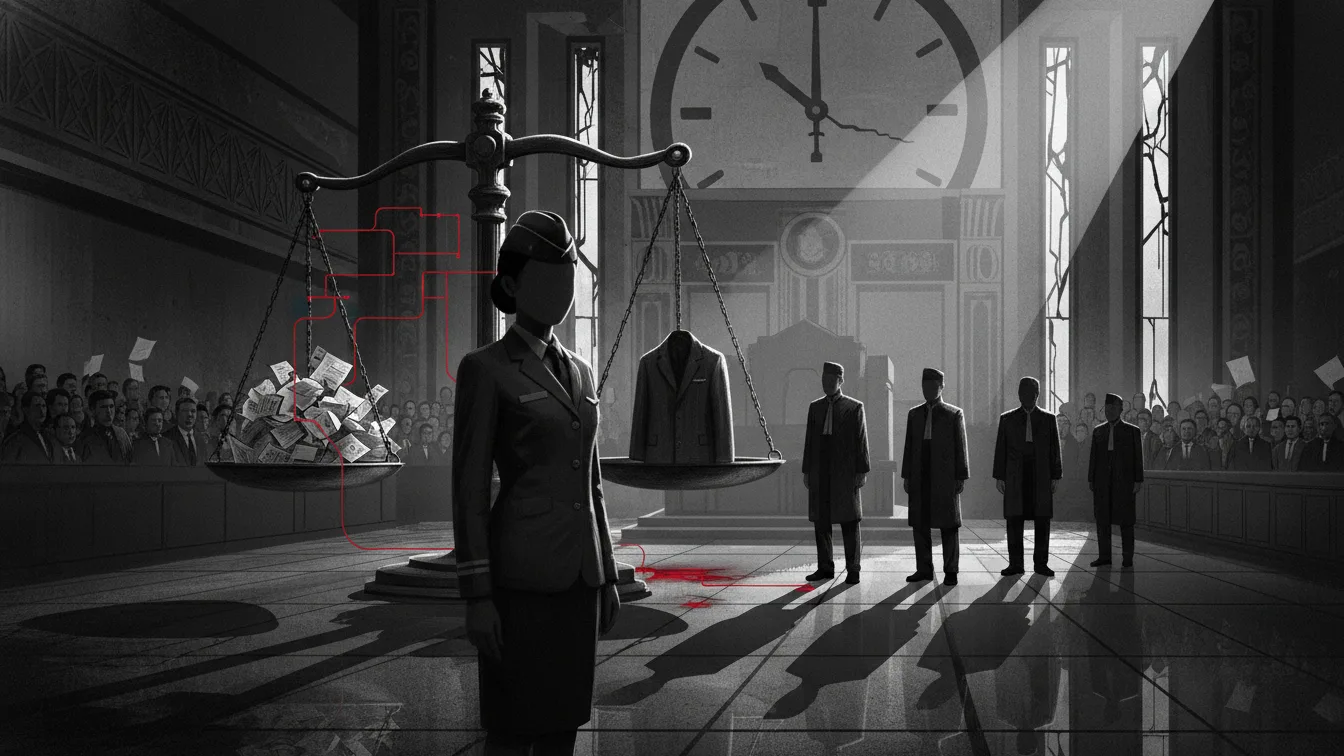
“Prosecutors must not be afraid.” This sentence sounds like a cliché slogan, but it is an absolute requirement for the upholding of justice. More than just not being afraid of external threats, the biggest challenge actually comes from within: a prosecutor must not be afraid, even of their own superiors. They must be independent.
We all understand that the Prosecutor's Office is an institution that stands upright based on the chain of command. There is a hierarchy, there are career levels, and there are "superiors" who hold the pen for promotions and transfers. This bureaucratic reality often creates a dilemmatic intersection: should one be loyal to the orders of superiors, or loyal to conscience and legal truth?
When a prosecutor is faced with this choice, they must ask themselves: To whom does my highest loyalty truly lie? To the name written on the decree of office, or to the justice that is the reason this profession exists?



Support
• Indonesian Legal Literacy
Read more comfortably while supporting literacy.
Join Membership or submit your article for publication.
Membership
Read without ads, focus more, and access premium features.
Submit Article
Submit your writing—we curate and help publish it. If it is published, you have the opportunity to earn points/payouts according to the provisions.










Comments (0)
Write a comment