
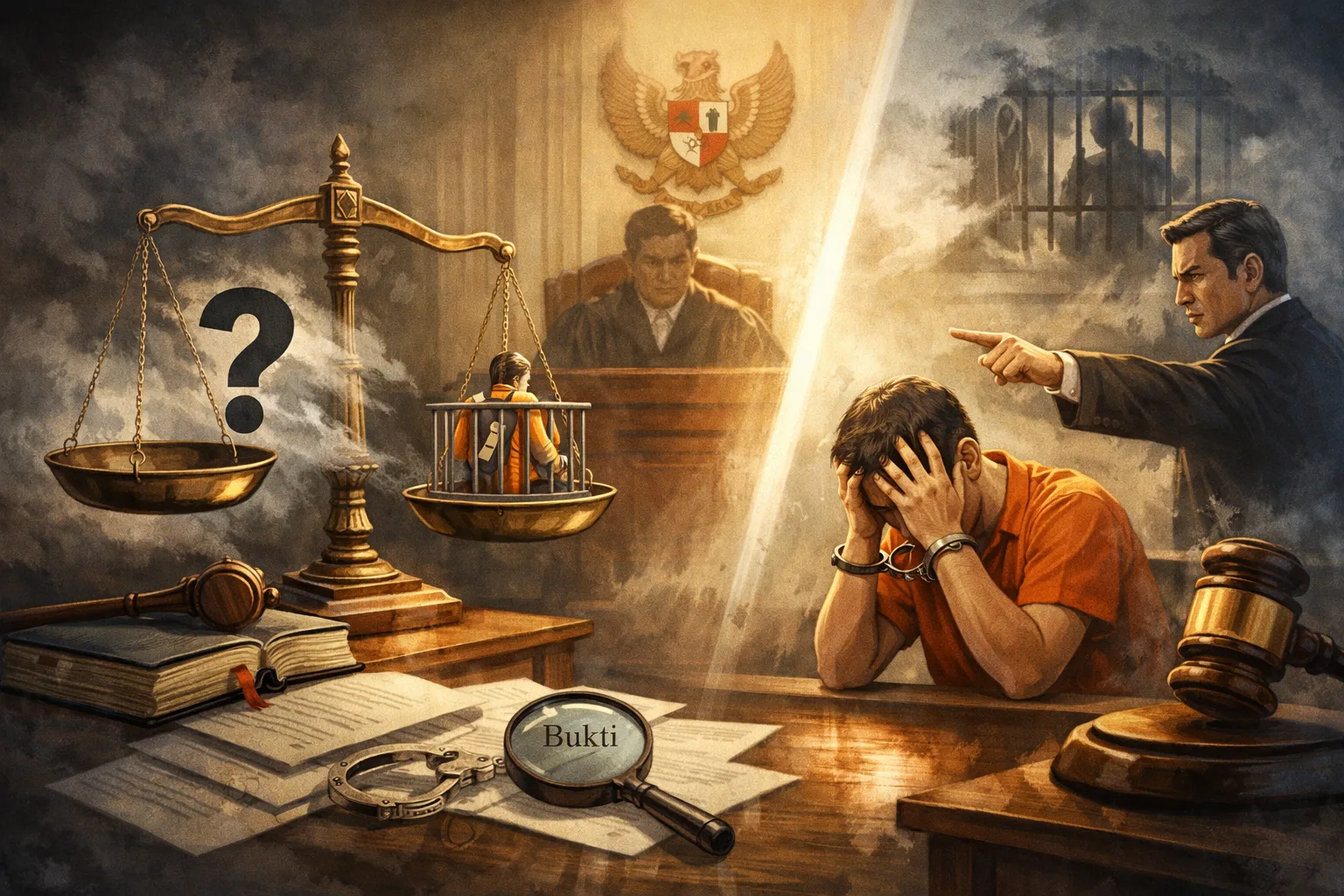
Legal Literacy - In a healthy state of law, reporting a crime should be the purest form of civic participation. However, in Indonesia, this action is now more like gambling with fate. The shadow of a prison cell is often more real for those who speak out than for those who are reported. This phenomenon, known globally as retaliatory prosecution, has shifted from being a mere anomaly to a frightening pattern. We are witnessing how environmental defenders, corruption scandal revealers, and victims of sexual harassment are forced to sit in the defendant's chair because of counter-reports with charges of defamation or slander. The problem is that this widespread public concern is often simplified as a matter of "individuals" or the low integrity of law enforcement officials. In fact, if we dissect it more deeply with a sharp analytical legal knife, the root of the problem is far more structural and terrible: the architecture of our criminal procedure law systematically opens up space for criminalization back to flourish.
The Absence of an Early Filter in Criminal Procedure Law
This concern stems from the absence of an early filter mechanism in the system criminal law Indonesia. Currently, every police report is treated as a separate and autonomous legal entity. When a witness or reporter provides information regarding a criminal act, and the reported party retaliates with a new report, law enforcement officials tend to process both in parallel without any obligation to assess the context of the power relations behind it. In the rigid lens of formal criminal law, a "counter-report" is considered a constitutional right of every citizen to receive equal legal protection. However, this is where the trap lies. Without a pre-emptive protection mechanism that can identify early on that a report is a form of retaliation, the state is actually facilitating the use of legal instruments as weapons to silence the truth. This places reporters on a very uneven battlefield, where the law is no longer a protector, but a new legal tool of repression.



Procedural Neutrality and Unequal Power Relations
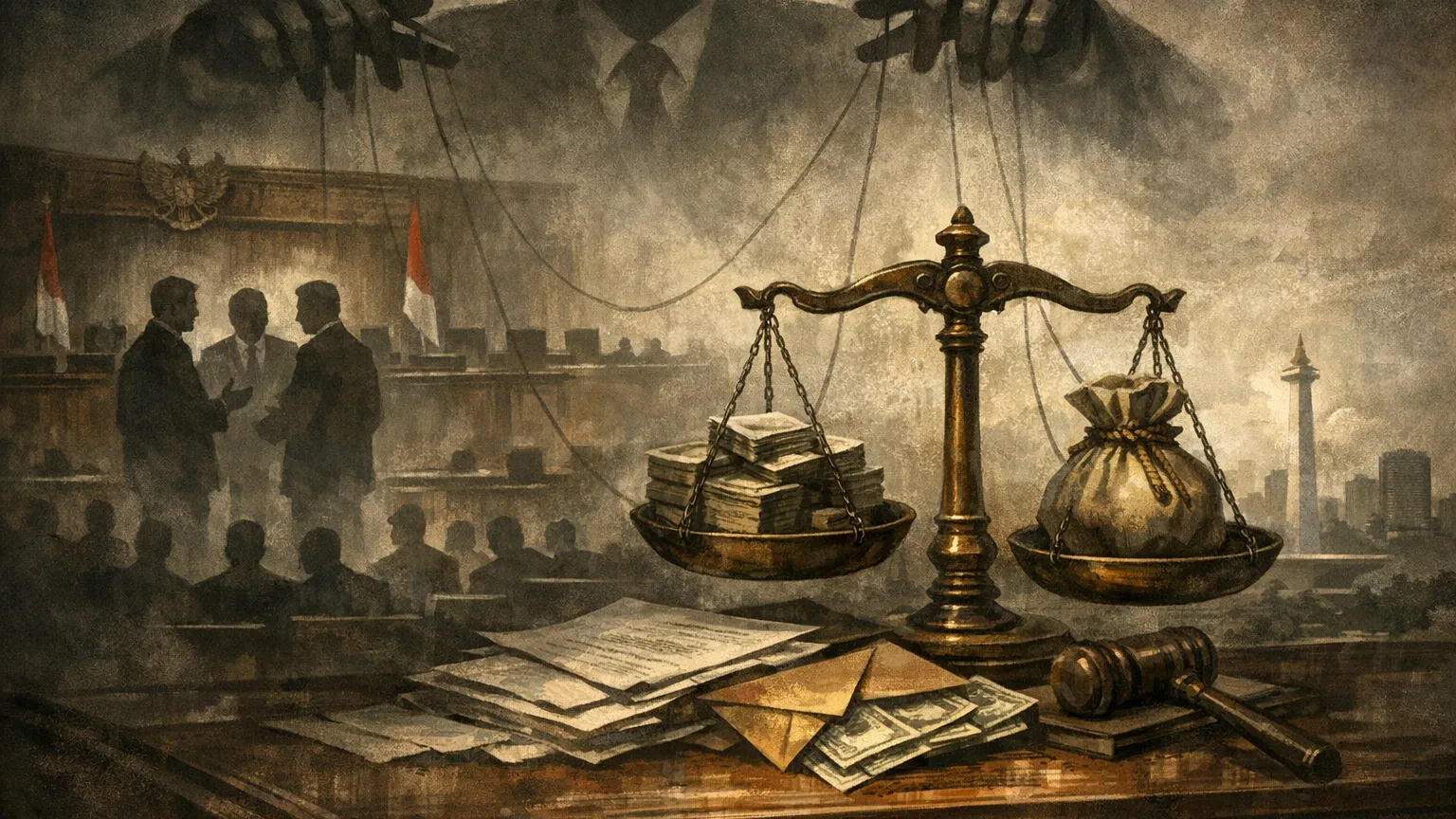
This injustice is exacerbated by what we might call pseudo-neutrality in law enforcement. Often, investigators hide behind the procedural pretext that "every public report must be followed up." On the surface, this attitude appears professional and impartial. However, neutrality that is blind to context is a veiled bias towards the structurally stronger party (Rahardjo, 2009: 45). In cases of corruption or corporate crime, the reported party usually has financial resources and political networks that far exceed those of the reporter. When the law treats retaliatory counter-reports with the same degree of formality as original reports filed in the public interest, that is when the law loses its spirit of justice. This procedural neutrality ignores the fact that whistleblowers are vulnerable legal subjects and require special treatment so that they are not overwhelmed by the legal bureaucratic machine that they set in motion themselves.










Comments (0)
Write a comment