
Function of Criminal Procedure
Van Bemmelen suggests 3 (three) functions of criminal procedural law, among others:
- Seek and find the truth;
- Decision making by the judge; and
- Implementation of decisions that have been made.
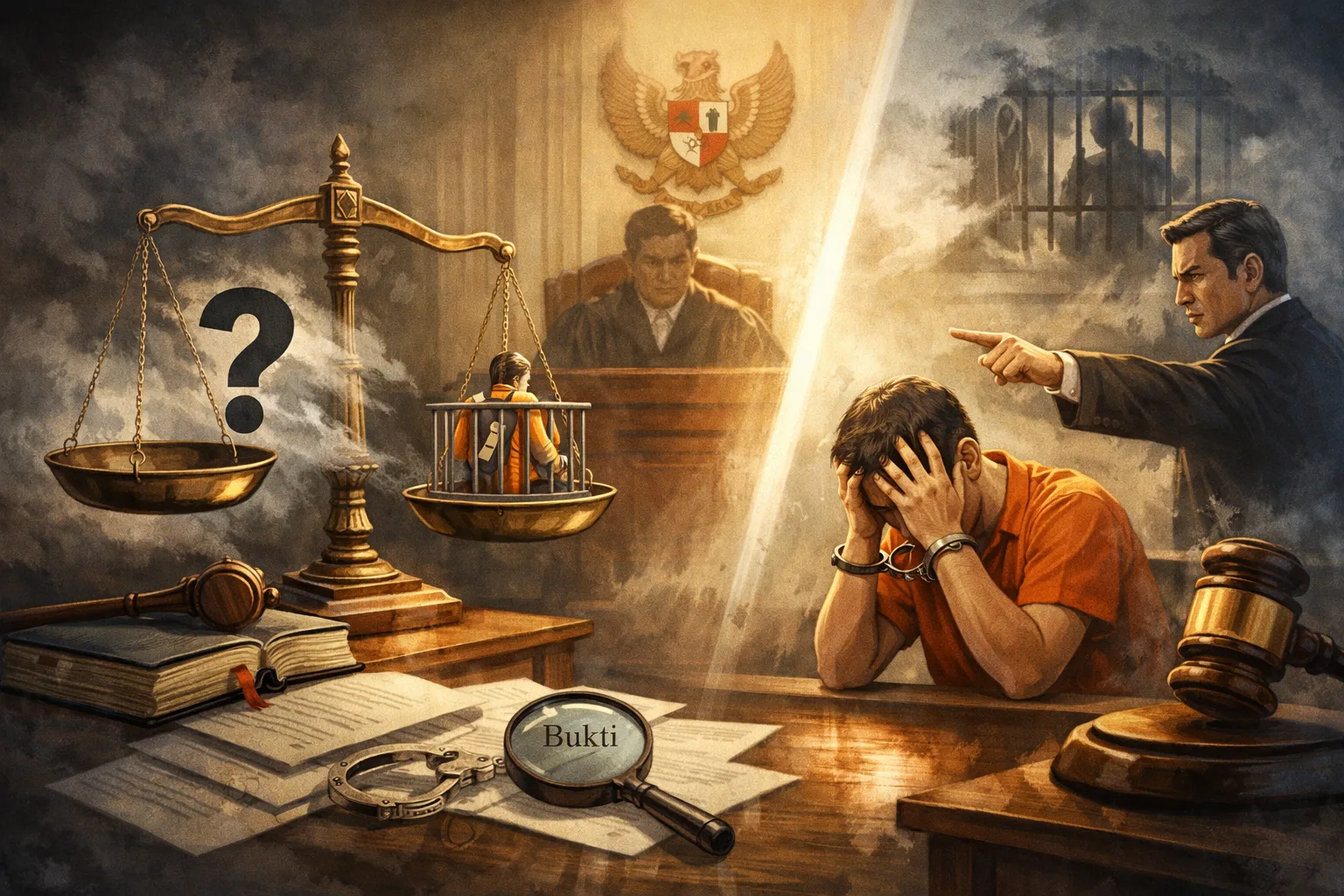
Of the three functions above, the function that is considered the most important because it is the foundation for the other two functions is the function of "seeking and finding the truth". After finding the truth obtained through evidence and materials, the judge will arrive at a decision (which should be fair and precise), which is then implemented by the prosecutor.
In line with Van Bemmelen's opinion, Bambang Poernomo stated that the duties and functions of criminal procedure law through its equipment, namely:
- To seek and find facts according to the truth;
- Apply the law with judgement based on fairness; and
- Implement decisions fairly.
If we elaborate further, the function of seeking and finding this truth must be supported by the existence of complete evidence in accordance with Article 183 of the Criminal Procedure Code, then the granting of a judge's decision should be after going through the procedural stages and procedures of the trial as determined by the order of procedural law and jurisprudence and the implementation of the decision means that it should be carried out and implemented by authorised officials and institutions, then the implementation of the decision must also be in accordance with the dictum of the judge's decision.
Nature of Criminal Procedure
According to van Apeldoorn, the nature of criminal procedure law is as public law and accusatorialCriminal Procedure Law is a public law because it regulates the public interest. According to van Apeldoorn, punishable acts are now no longer viewed solely as wrongs that directly affect the injured person, but first of all as violations of the legal order, as offences against society. Meanwhile, criminal procedural law is accusatory in nature because the position of the plaintiff (public prosecutor) and the defendant face off as equal parties, who conduct legal battles (rechsstrijd) in front of an impartial judge.













Comments (0)
Write a comment