
Data, Regulations, and Implementation of Paternity Leave
Based on data from the Badan Pusat Statistik (BPS), the number of female workers in Indonesia in 2023 reached 54.41 million, an increase of 1.6 million compared to the previous year. This increase reflects the significant contribution of women in the labor sector and the increasing importance of women's roles in driving national economic growth. As part of the development assets, female workers have the same rights to fair and progressive legal protection. In this context, the fulfillment of the rights of working women, especially those related to the balance between domestic and professional roles, is an important issue that needs to be addressed through an adaptive legal approach. One of them is by adjusting the leave provisions for male workers who have become husbands (paternity leave), so that the responsibility of childcare is not solely borne by the mother. Consideration of this change needs to be done considering the spirit of progressive law that places substantive justice and social welfare as the main goals and supports efforts to empower women and protect the rights of mothers and children as a whole.
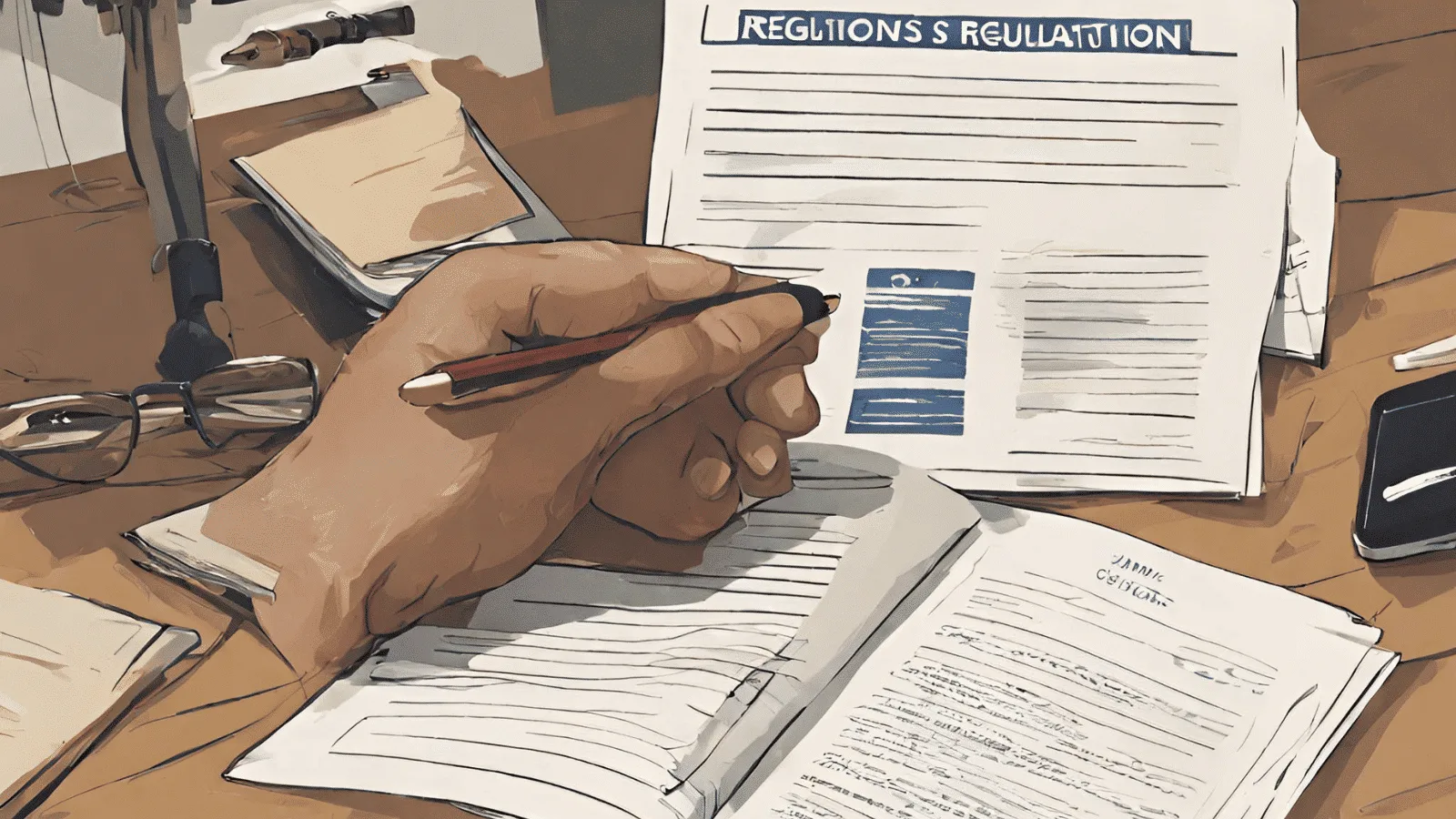
The empowerment of women, especially for working mothers, is an important part of sustainable development and the protection of human rights. In the context of employment, the right to maternity leave for mothers is sufficiently accommodated in various laws and regulations. However, attention to the role of fathers in the birth and post-partum process is still relatively minimal. Referring to the provisions of Article 93 paragraph (2) letter c of Law Number 13 of 2003 concerning Manpower (Manpower Law) it is stated that:


“… employers are obliged to pay wages if: workers/laborers do not come to work because workers/laborers marry, marry off, circumcise, baptize their children, wives give birth or have a miscarriage, husbands or wives or children or sons-in-law or parents or in-laws or family members in the same house dieâ€
Furthermore, in Article 93 paragraph (4) letter e of the Manpower Law it is also stated that:
“Wages paid to workers/laborers who do not come to work as referred to in paragraph (2) letter c are as follows: …
e. wife gives birth or has a miscarriage, paid for 2 (two) days;â€
Based on the two articles above, it can be concluded that paternity leave is a right granted to male workers when their wives give birth. Male workers have the right to be absent from work under these circumstances, and during this leave period, employers are still required to pay full wages for two days. However, this duration is considered insufficient in the context of real support for the welfare of mothers and children, as well as in the context of women's empowerment in the workplace.
Study of Paternity Leave Provisions in a Progressive Legal Perspective for Gender Equality
The progressive legal concept initiated by Prof. Satjipto Rahardjo emphasizes that law should not be trapped in the text alone, but must be responsive to the needs and values of social justice. In this context, labor law regarding paternity leave needs to be re-examined to meet the challenges of the times, namely promoting gender equality and a fairer division of childcare roles.
Studies show that the presence of the father during the postpartum period not only helps the physical and psychological recovery of the mother, but also strengthens the bond between father and child from an early age. Emotional and physical support from the husband can accelerate the mother's recovery, reduce the risk of postpartum depression, and help the mother return to being productive in the workplace. Therefore, paternity leave is not only a labor issue, but also has relevance to family welfare.














Comments (0)
Write a comment