
Legal Literacy - This article discusses the phenomenon of cow trade politics in the context of election, where power is considered a commodity that can be traded for political gain. The author elaborates on how the election process, which should be a stage for the people's aspirations, often turns into an arena for politicians to fight for personal or group interests.
In addition, the impact of cow trade politics on society is also discussed, where public interests are often marginalized. Solutions or steps that can be taken to overcome cow trade politics and improve the existing political system are also included. The purpose of this article is to provide in-depth insight into this phenomenon and invite readers to consider its implications for democracy and society as a whole.


Democracy in Danger
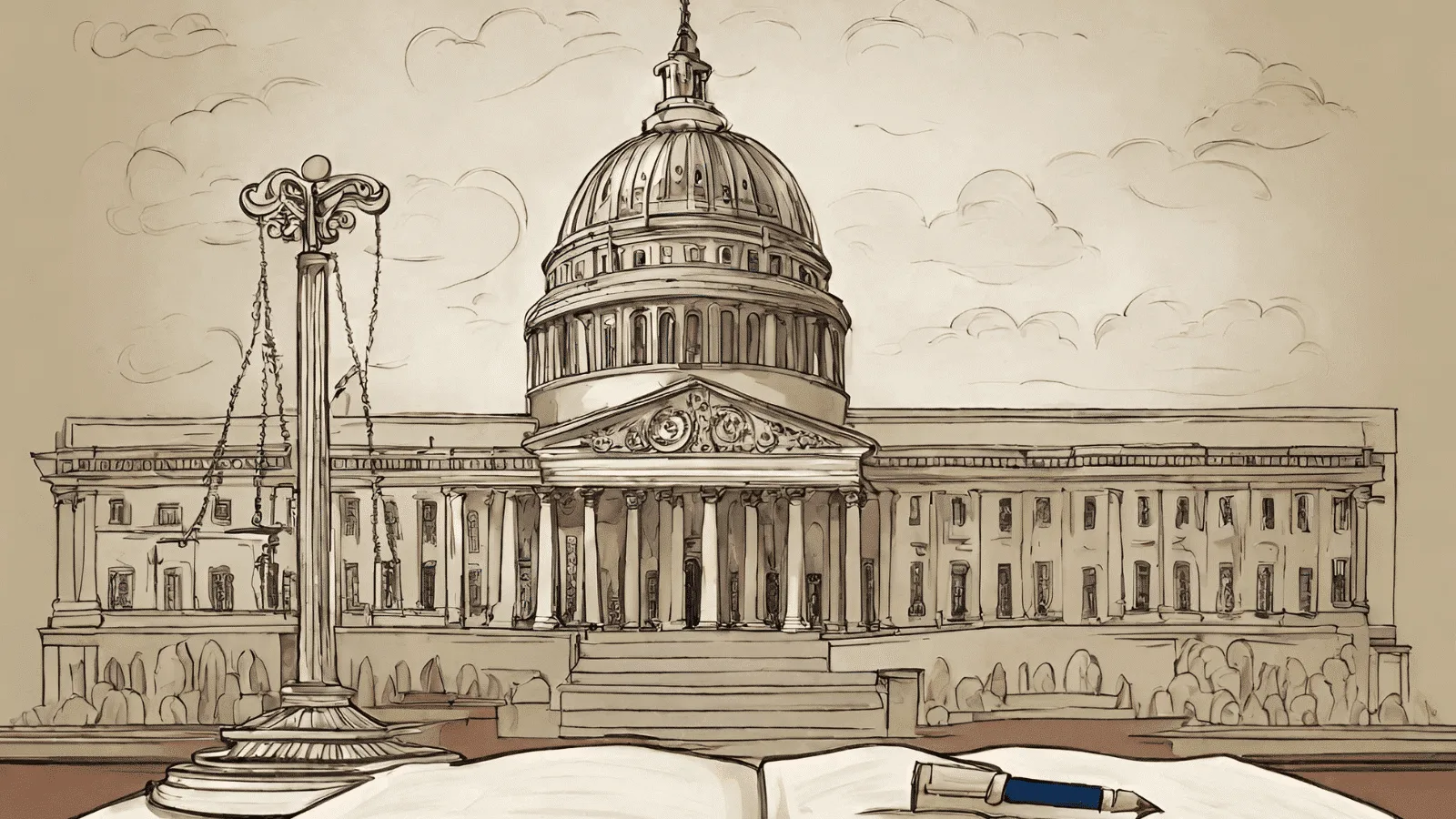
General elections, often referred to as elections, are one of the main pillars of the democratic system in many countries around the world. This is a moment when citizens have the opportunity to determine their leaders and cast their votes on various issues that affect society. However, unfortunately, elections are often misused by politicians who fight more for personal or party interests than for the interests of the people as a whole. This phenomenon is often described as "cow trade politics," where power is considered a commodity that can be traded for political gain.
Before we discuss further about cow trade politics, it is important to understand the role and importance of elections in the context of democracy. Democracy, is basically a system of government in which political power is held by the people, either directly or through representatives they elect through elections. Elections are the main mechanism in a democracy that allows citizens to express their political preferences and determine the representatives who will represent their interests in government institutions.
One of the interesting aspects of elections is the campaign process. This is the time when candidates and political parties compete for public support. During the campaign, politicians often make sweet promises to voters to win their support. They talk about various policies they will propose, changes they will bring, and how they will improve the welfare of society as a whole. However, unfortunately, these promises are often not realized after the election ends.
After elections, politicians often transition from campaigning to behind-the-scenes political negotiations. They begin seeking ways to build coalitions and secure their positions in government. This process often involves compromises and political agreements that do not always align with the promises made during the campaign. As a result, the people feel betrayed by their leaders who fail to follow through on their campaign promises.
Politicians Engaging in Cow Trade Politics

The political concept of 'quid pro quo' reflects how politicians are often treated as power brokers seeking to acquire and maintain power for their own political gain. As power brokers, politicians often pay more attention to political strategy than to the public interest. They view power as a tool to achieve their personal or party goals, rather than as a means to serve society.
In quid pro quo politics, power is considered a commodity that can be traded or exchanged. Politicians do not hesitate to make political deals that are not always beneficial to the public, as long as it allows them to maintain or expand their power. This often leads to compromises that set aside the public interest for narrow political interests.
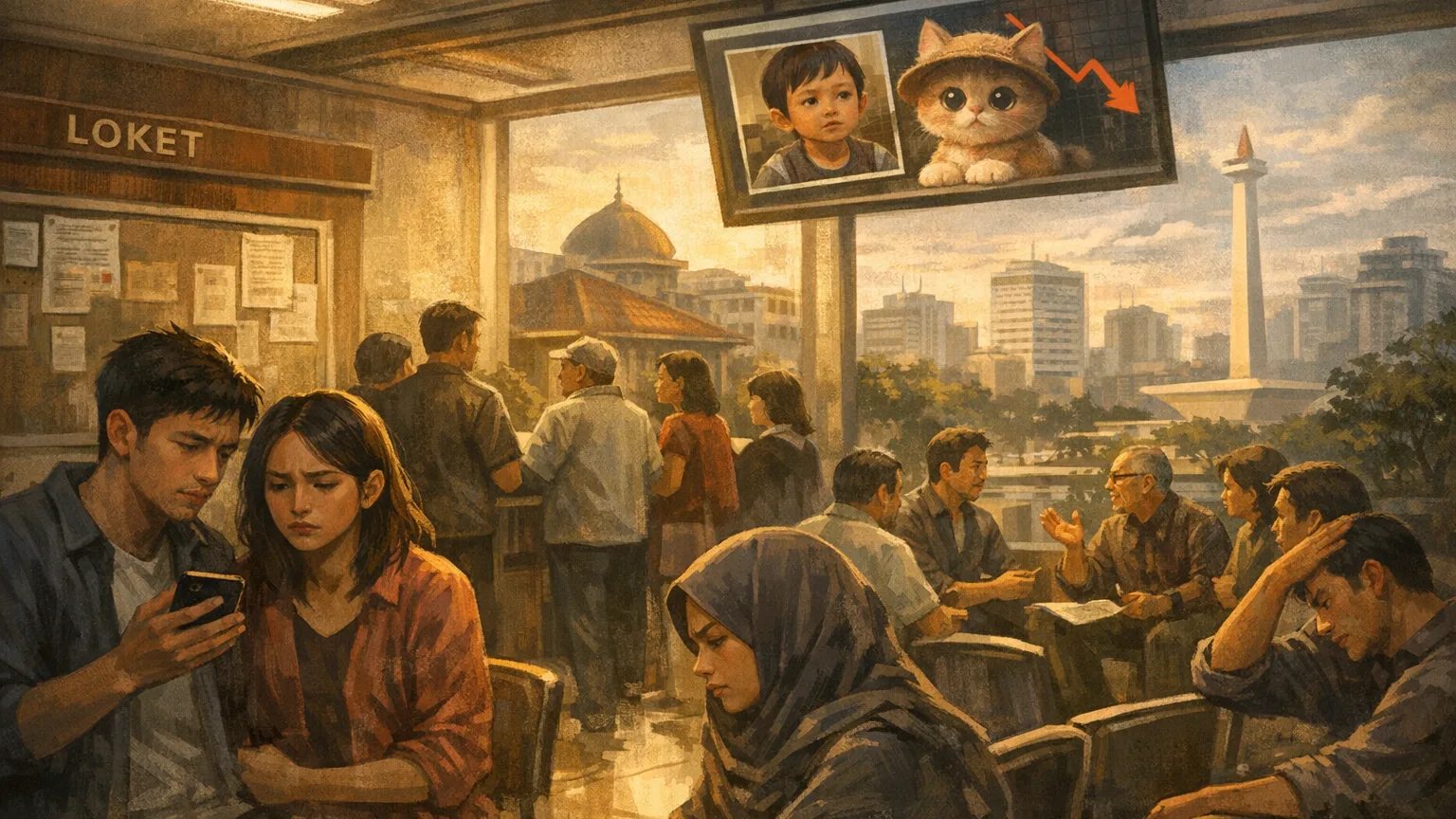
In the context of quid pro quo politics, the public often becomes a victim. They feel marginalized by politicians who are more focused on the game of power than on their needs and aspirations. Important issues such as economic welfare, education, health, and the environment often do not receive the attention they deserve because politicians are more preoccupied with their political strategies.
When politicians divide up the "spoils of power," the interests of the public are often ignored or sacrificed to satisfy their own political ambitions. This creates dissatisfaction among the people, who feel that the political system no longer properly represents or serves them.
Pursuing True Democracy

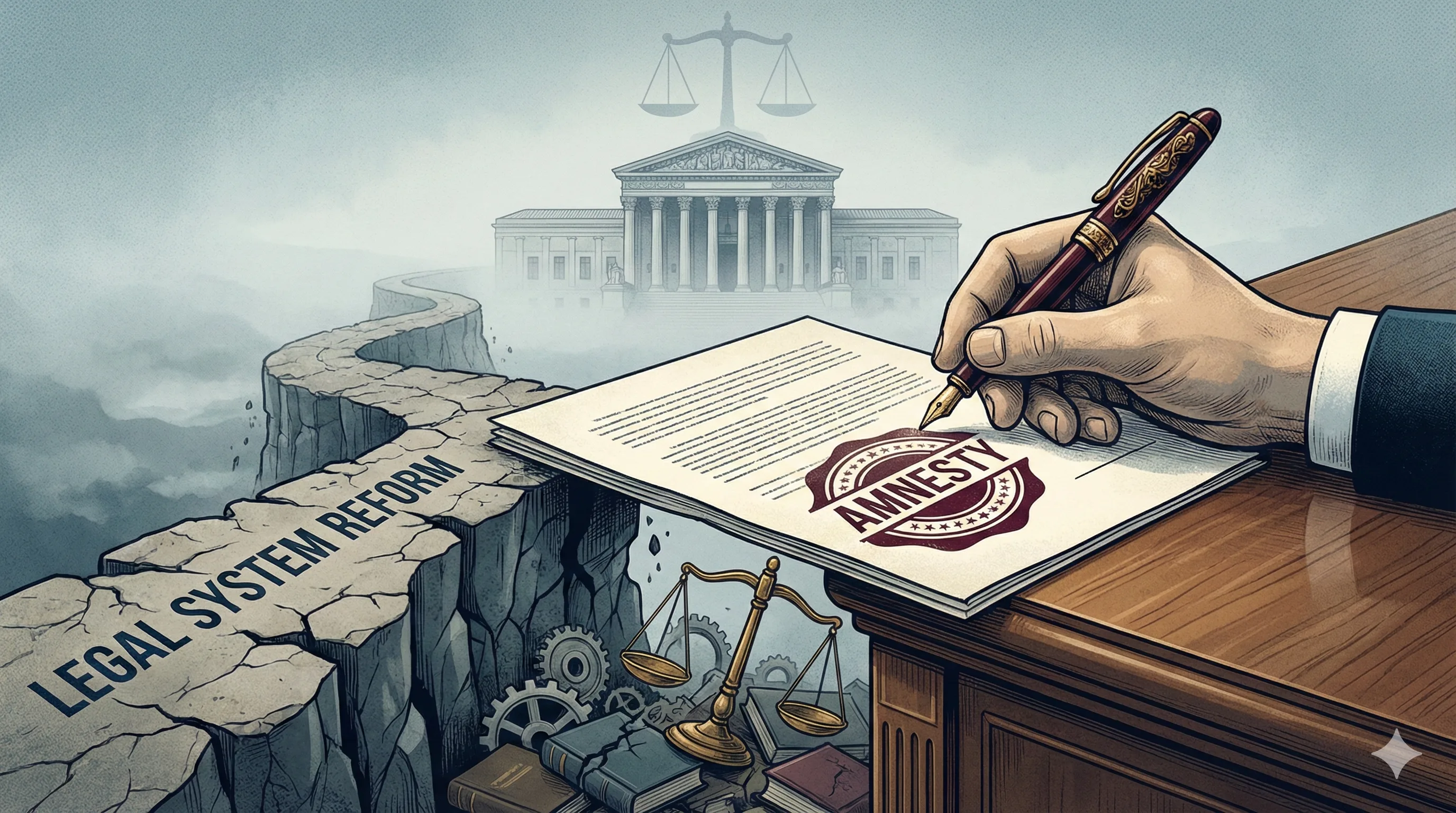
To overcome quid pro quo politics and restore public trust in the democratic process, fundamental changes are needed. First of all, comprehensive political reforms are needed to improve transparency, accountability, and integrity in the political system. This may include changes in election laws, restrictions on the influence of money in politics, and increased accessibility and political participation for all citizens.
In addition, political education is also key to strengthening democracy. The public needs to be empowered with the knowledge and skills necessary to participate actively in the political process and make informed and intelligent decisions. This can be done through improved civic education in schools and political training programs for adult citizens.
Conclusion
Horse-trading politics is a serious threat to a healthy and well-functioning democracy. When elections turn into a stage for political power negotiations, the public interest is often marginalized, and the people fall victim to irresponsible political manipulation. In this context, fundamental changes in the political culture and political system are necessary to restore public trust in the democratic process.
Wallahu A'lam Bishawab






Comments (0)
Write a comment