
Legal Literacy - Proving severe maltreatment cases using visum et repertum, the role, purpose of science forensic medicine in an effort to prove material truth.
Definition of Maltreatment Criminal Act
Andi Hamzah provided his opinion on the definition of persecution, which is an act that causes injury or wounds to a person's body. Persecution can be carried out in various ways, such as hitting, slapping, stabbing, kicking, hacking, and so on. Persecution in the Criminal Code consists of the following elements:


- Whoever;
- Persecution that intentionally damages health or desires pain and injury to occur.
Act criminal persecution is a phenomenon that is not easily eliminated in social life. Various modes and types of persecution occur, such as physical violence and beatings, resulting in injuries to the victim's limbs or body, and sometimes causing the victim to experience permanent physical disabilities, including death. In addition, the crime of persecution often has psychological impacts or effects on the victim, such as threats, fear, trauma, and sometimes there are victims of persecution crimes who experience physical and mental disorders.
Visum et Repertum as Evidence in Criminal Cases
In cases of persecution, there are generally victims who die, but there are also survivors with injuries as a result of the persecution. In addition to being a victim of persecution, the victim also acts as a patient, namely as a legal subject with all the demands of their rights and obligations. This means that a living victim is not entirely evidence, but can be presented in the form of a Visum et Repertum.
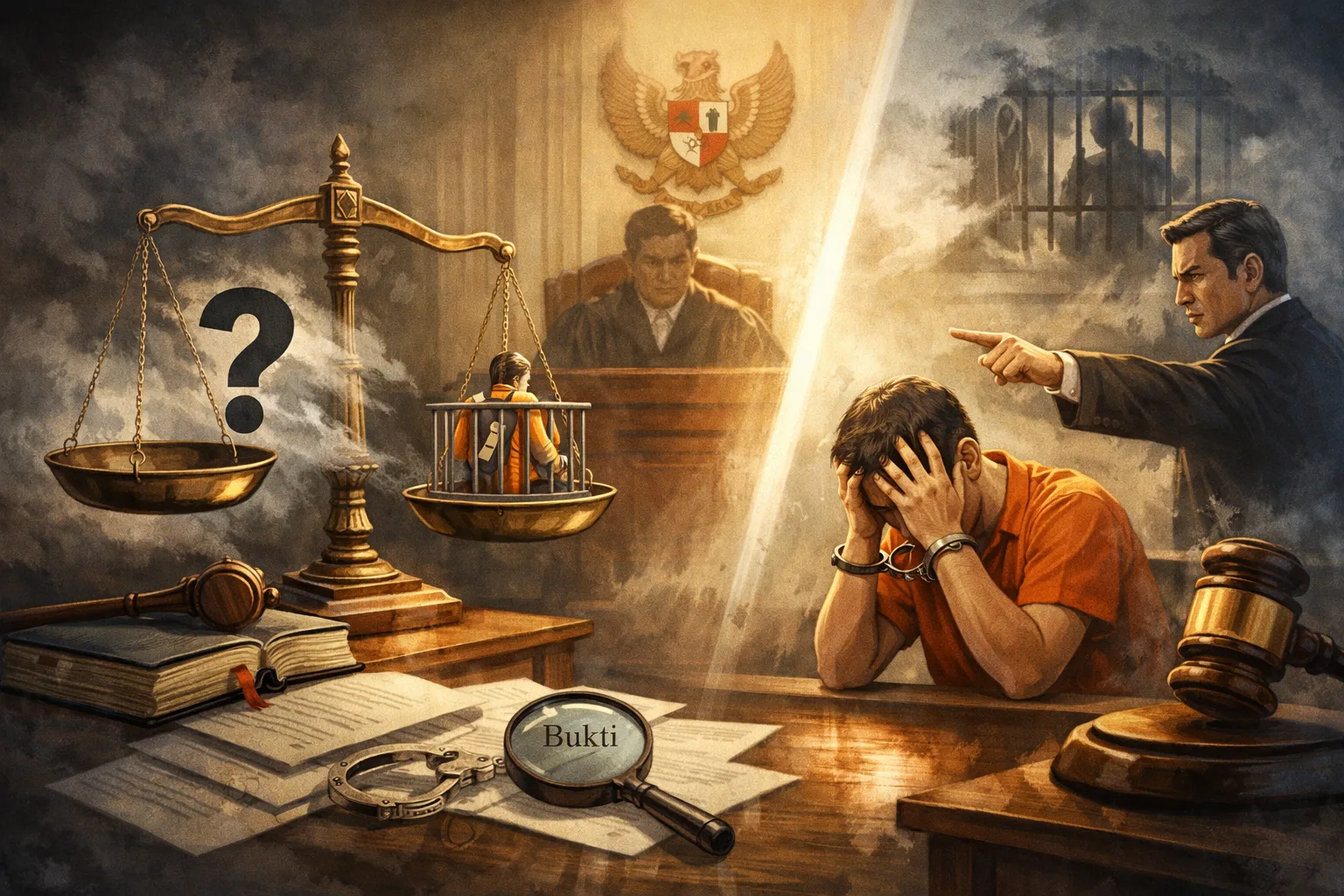
Visum et Repertum can be useful for proving a case based on criminal procedural law. A doctor, in accordance with their profession, has an obligation to assist law enforcement officials in proving whether a victim is a case of a criminal act or not, by examining the victim and then reporting it in the form of a letter called a Visum et Repertum. In the case of victims who have injuries, a doctor is able to provide information related to the identity of the victim, the type of injury, the type of violence that caused the injury, and determine the degree of injury or qualification of the injury which will later be stated in the Visum et Repertum. Therefore, it can be used as evidence that can convince the judge to decide a case.
Visum et Repertum in the form of forensic expert examination results tells about criminal events that can become evidence in further investigations. For the court, the judge is still guaranteed freedom by law, where the judge is not obliged to follow the expert's opinion if it contradicts their beliefs. However, the expert doctor's statement in the Visum et Repertum is made based on objectivity and the results are very close to the truth.
The Role of Forensic Medicine in Proving Criminal Cases
In proving a criminal case as an effort to find material truth, a minimum of two witnesses are required, as stipulated in Article 183 of the Criminal Code. The doctor's obligation to assist in the judicial process is regulated in Article 133 of the Criminal Procedure Code, which explains that: "In the event that an investigator, for the interests of justice, handles a victim who is injured, poisoned, or dead, allegedly due to an event that constitutes a criminal act, he is authorized to submit a request for information from a forensic medical expert or doctor and/or other experts."
To prove that a criminal act has occurred, investigators require evidence with the assistance of forensic medicine, especially doctors as makers of a Visum et Repertum (Medical Legal Report). The position of a doctor in handling victims of crime by determining the Visum et Repertum must be guaranteed neutrality because the assistance of the medical profession will greatly determine the existence of truth. Forensic doctors have the task of examining and collecting various evidence related to fulfilling the elements of the offense as stated by law and compiling a Visum et Repertum report.
In the disclosure of criminal acts of persecution, forensic medicine plays a role in collecting evidence from physical injuries, such as stab wounds, bruises, contusions, strangulation, rope strangulation from persecution events that occur in order to uphold justice, from the investigation level to the examination process in court.













Comments (0)
Write a comment