
Legal Literacy - Theory of limitation of power of the state is an important concept in ensuring that state power does not exceed its limits and does not abuse its power. This article discusses the basic principles of the theory of limiting state power, such as the separation of powers, popular sovereignty, rule of law, human rights, and public oversight.
The Meaning of the Theory of State Power Limitation
The theory of limiting state power is a theory that regulates and limits state power so that it does not exceed its limits and does not abuse its power. This is important to ensure that state power does not become authoritarian and detrimental to society.



In general, the theory of limiting state power is regulated in the constitution or basic law of a country. This theory aims to provide fair and equitable power for all citizens and prevent abuse of power by authorized parties.
5 Basic Principles of the Theory of State Power Limitation
Some basic principles of the theory of limiting state power include:
1. Separation of Powers (Separation of Powers)
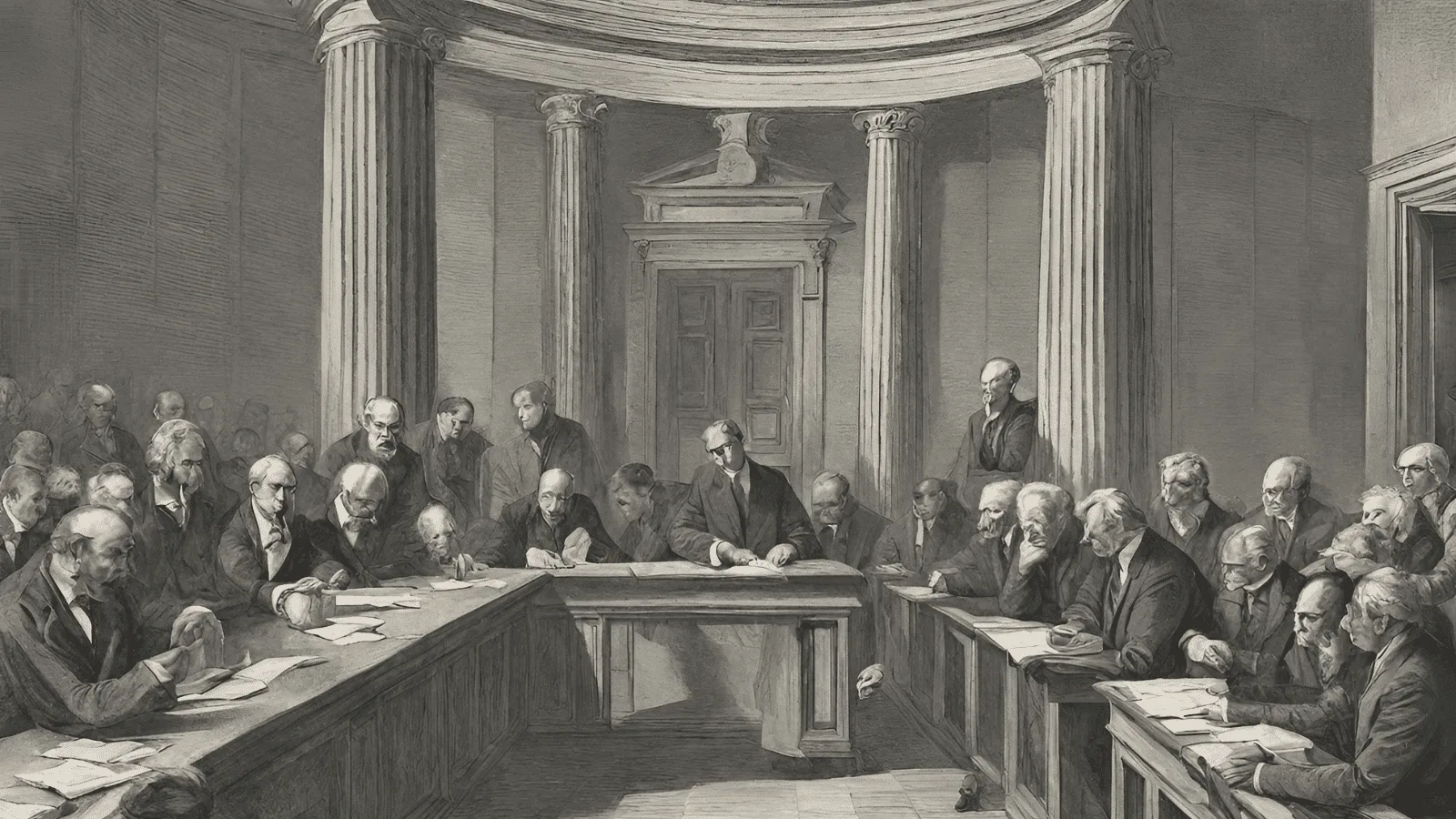
This principle of separation of powers aims to prevent the concentration of power in one state institution or in one person alone. Therefore, state power must be divided into three institutions, namely the executive, legislative, and judicial institutions. Each of these institutions has different powers and supervises each other so that no one institution monopolizes power.
2. Popular Sovereignty (Popular Sovereignty)
The principle of popular sovereignty states that state power comes from the people and is exercised for the benefit of the people. Therefore, citizens must have equal rights in determining state policy through general elections.
3. Human Rights (Human Rights)
The principle of human rights states that everyone has the equal right to life, free from discrimination, violence, and oppression. The state must protect these rights and ensure that they are not violated by any party.
4. Rule of LawRule of Law
Principle rule of law states that the law must apply equally to all and must not be discriminatory. The state must be subject to the law and law and must not impose its will by violating the law.
5. Public Oversight (Public Accountability)
The principle of public accountability states that the state must be accountable to the people for its actions and policies. Therefore, the public must have the right to oversee government actions and provide constructive input or criticism.
5 Ways to Limit State Power
Limitations on state power can be implemented in various ways, including:
1. Formation of a Constitution
The Constitution is a law that contains provisions regarding state power, human rights, and other provisions governing governance procedures. The Constitution must be followed by all state institutions and all citizens.
2. Free and Fair Elections
Free and fair elections aim to elect the best leaders for the people. In free and fair elections, people have the equal right to choose their leaders.
3. Presence of a Free and Independent Press
A free and independent press aims to provide objective and accurate information to the public. With a free and independent press, the public can obtain the information needed to understand government actions.
4. Independent Judges
An independent judge aims to ensure that court decisions are not influenced by personal or group interests. In carrying out their duties, judges must be subject to the law and must not be influenced by any party.
5. Supervision by Non-Governmental Organizations (NGOs)
Non-Governmental Organizations (NGOs) aim to oversee government actions and provide constructive input so that government actions can run well and in accordance with the interests of the people.
Practice
In practice, limitations on state power can be implemented in various ways such as the establishment of a constitution, free and fair elections, a free and independent press, an independent judge, and oversight by non-governmental organizations.
In implementing the theory of limiting state power, cooperation from all citizens is required. Citizens must have the awareness and concern to fight for their rights and monitor government actions.
In addition, it is also important to continue strengthening institutions that have a role in preventing abuse of state power, such as strengthening the judiciary so that it can enforce the law fairly and non-discriminatorily, and strengthening institutions that oversee the government such as the Audit Board of the Republic of Indonesia (BPK) and the Corruption Eradication Commission (KPK).
In order to realize the theory of limiting state power, a broad understanding from all citizens regarding their rights and obligations is also needed. This can be done through appropriate and accurate education and outreach.
Challenges
In practice, there are several challenges in implementing the theory of limiting state power. Some of these challenges include conflicts of interest among state institutions, corrupt and nepotistic practices, and a lack of public awareness in monitoring government actions.
However, with the awareness and active participation of all citizens, as well as efforts to strengthen state institutions that play a role in overseeing and enforcing the law, the theory of limiting state power can be well realized. This will bring great benefits to society, especially in protecting freedoms and human rights and preventing abuse of state power.
Conclusion
The theory of limiting state power is an important concept in ensuring that state power does not exceed its limits and does not abuse its power. Some basic principles of this theory include the separation of powers, popular sovereignty, human rights, rule of law, and public oversight. To realize this theory, cooperation from all citizens and efforts to strengthen institutions that play a role in overseeing and enforcing the law are needed.















Comments (0)
Write a comment