
Legal Literacy - Separation of powers (Separation of powers) is an important principle in the system of government introduced by a renowned political philosopher named Charles-Louis de Secondat, Baron de La Brède et de Montesquieu, or better known as Montesquieu. In his renowned work, "The Spirit of the Laws" Montesquieu elaborated on the concept Separation of powers as a means to prevent the abuse of power by the government.
Montesquieu's Thoughts on the Separation of Powers
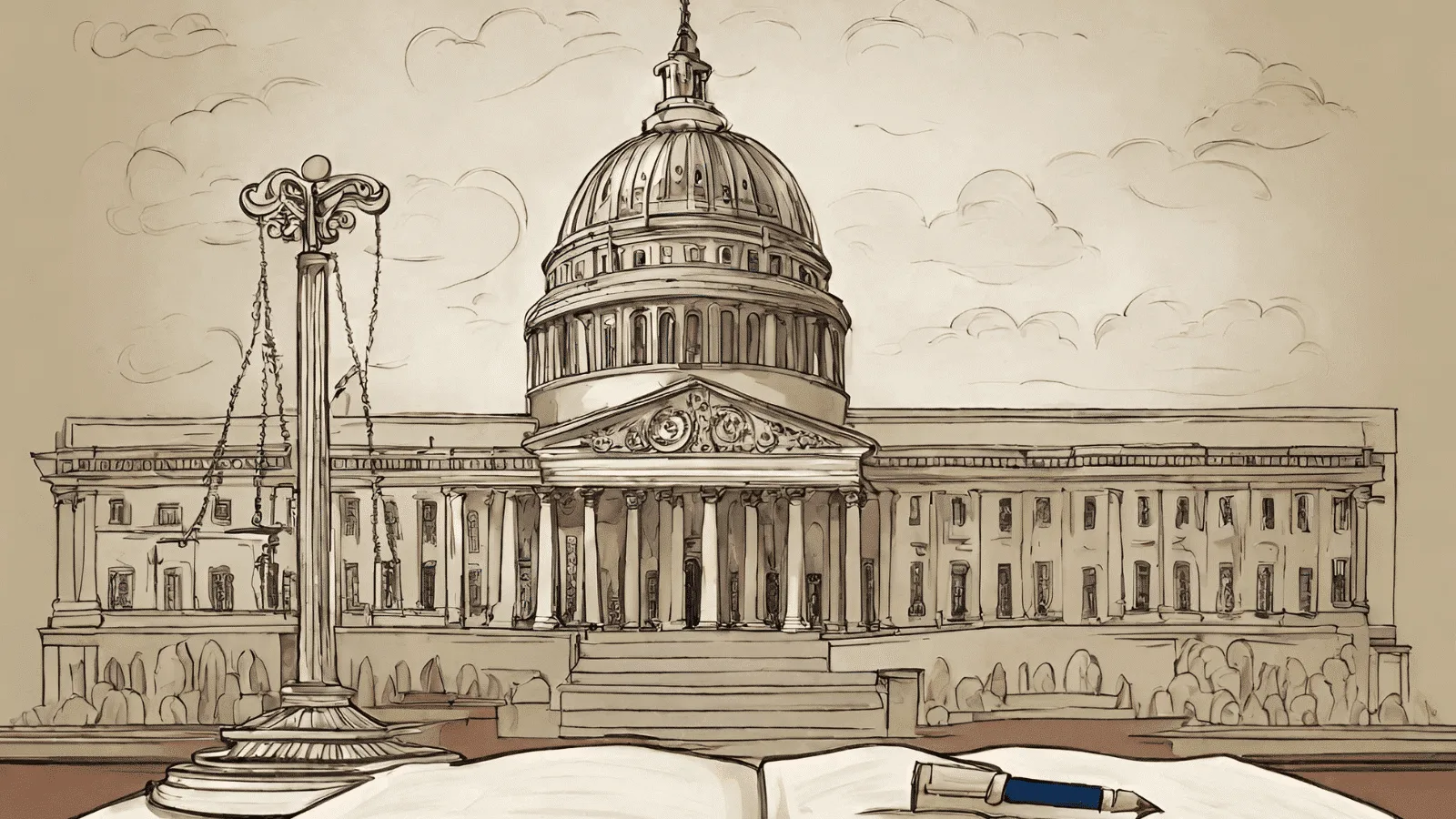
According to Montesquieu, Separation of powers is a principle that divides state power into three distinct branches: the legislative, the executive, and the judicial. Each branch has its own functions and responsibilities, and no branch has full power over political decisions.


1. Legislative Power
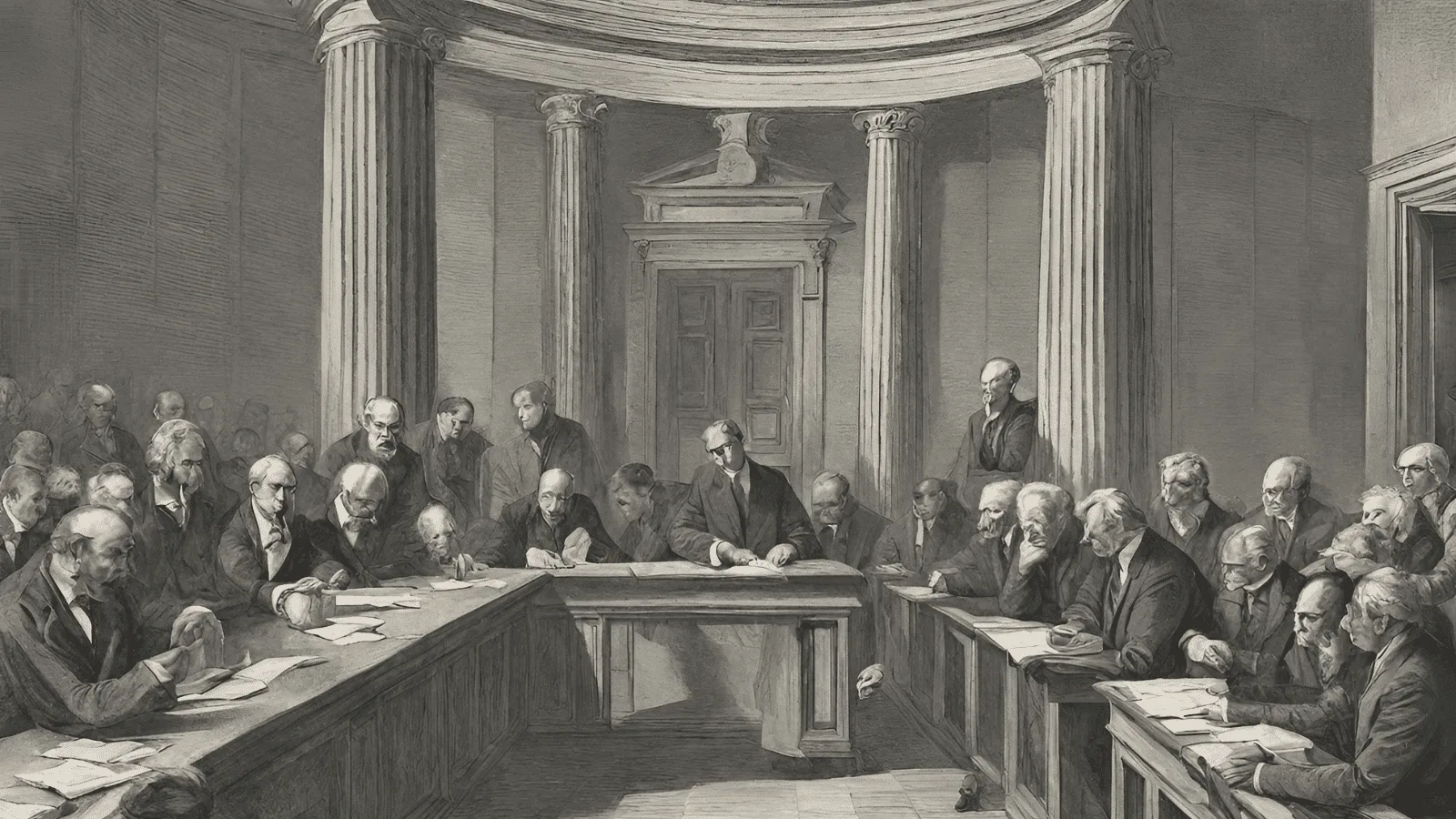
The legislative power is the branch of power responsible for making laws. Montesquieu argued that the legislative power should be separate and independent from the executive and judicial powers so that no single entity has absolute power. The purpose of this separation of powers is to prevent abuse of power and protect individual rights.
2. Executive Power
The executive power is the branch of power responsible for implementing the laws enacted by the legislative power. Montesquieu emphasized the importance of separating the executive power from the legislative power so that no single entity has absolute power. Thus, the executive power cannot make its own laws, but is only responsible for implementing existing laws.
3. Judicial Power
The judicial power is the branch of power responsible for interpreting laws and rendering judgments in legal cases. Montesquieu believed that the judicial power should be independent and separate from the legislative and executive powers in order to perform its duties fairly and objectively. With this separation of powers, it is hoped that no single entity can abuse power for personal or group interests.
Benefits of the Separation of Powers
The separation of powers according to Montesquieu has several important benefits in the system of government. First, Separation of powers it prevents abuse of power by one entity. With the separation of powers, each branch has its own authority and responsibilities, so that no single entity can control political decisions absolutely.
Second, Separation of powers it also protects individual rights. With an independent judicial power, every citizen has access to a fair and objective court. This ensures that everyone can protect their rights without fear of abuse of power by the government.
Third, Separation of powers it also promotes a more efficient system of government. With tasks and responsibilities divided among the branches of power, each branch can focus on its respective tasks. This can avoid overlap or conflicts of interest between the branches of power.
Conclusion
The separation of powers according to Montesquieu is an important concept in the system of government that aims to prevent abuse of power. By dividing state power into three distinct branches, namely the legislative, executive, and judicial powers, it is hoped that a fair, efficient system of government that protects individual rights can be created. This principle remains relevant and forms the basis for many systems of government around the world to this day.
Thus the explanation regarding the Separation of Powers. If #temanliterasi wants a discussion of other topics, you can contact us through the page contact us or contact us via the WhatsApp widget on the bottom right. Hope it is useful!















Comments (0)
Write a comment