
Seeking Opposition Outside the Parliament Building
Although critical voices in parliament are almost extinct, the opposition is not completely dead. It has simply moved its contract outside the parliament building. The author sees two remaining fortresses:
- The Moral Strength of Civil Society and Campus Intellectuals Non-Governmental Organizations (NGOs), academics, and student movements are now transforming into a line of "street parliament". When the legislative function in the DPR runs in line with the will of the executive, they are the ones who take on the role of supervision through judicial review to the Constitutional Court or the Supreme Court. Ironically, intelligent national dialectics are now more alive on campus and online discussions than in DPR commission meeting rooms which are often only ceremonial stages for passing approval. Campuses are no longer just ivory towers, but the last bastion against unethical policies.
- Independent Media as De Facto Opposition In the midst of a uniform political landscape, investigative media and the independent press have emerged as the most real opposition force. Through in-depth and sharp coverage, they are able to uncover the irregularities of power, from corruption scandals to policies that favor the oligarchy and marginalize the people, which would be impossible for DPR members who are already comfortable in the "embrace" of the coalition to touch. Media is no longer just a messenger, but an instrument of oversight that ensures that deviations are not simply buried by the government's single narrative.
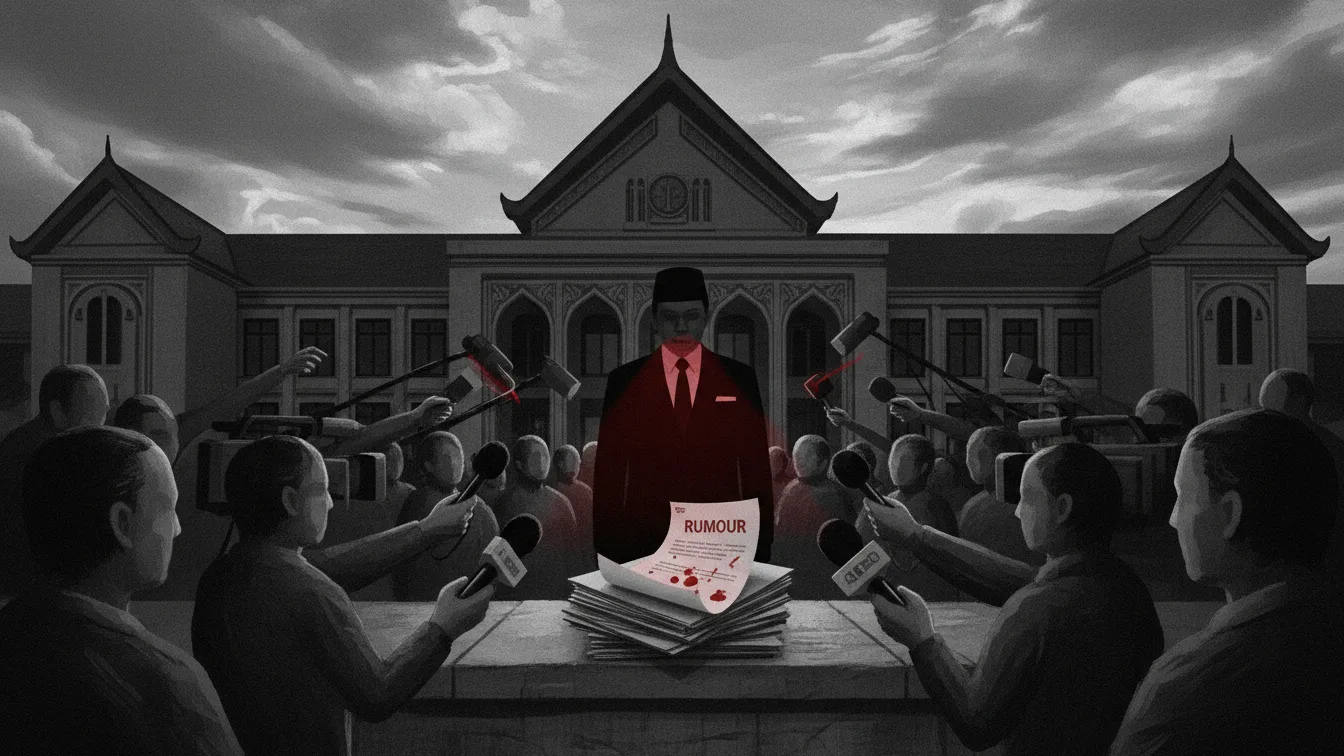
However, this opposition outside parliament certainly has weaknesses. They have moral authority, but no structural authority. They are vulnerable to intimidation, criminalization through the ITE Law, funding difficulties, and restrictions on access to information.


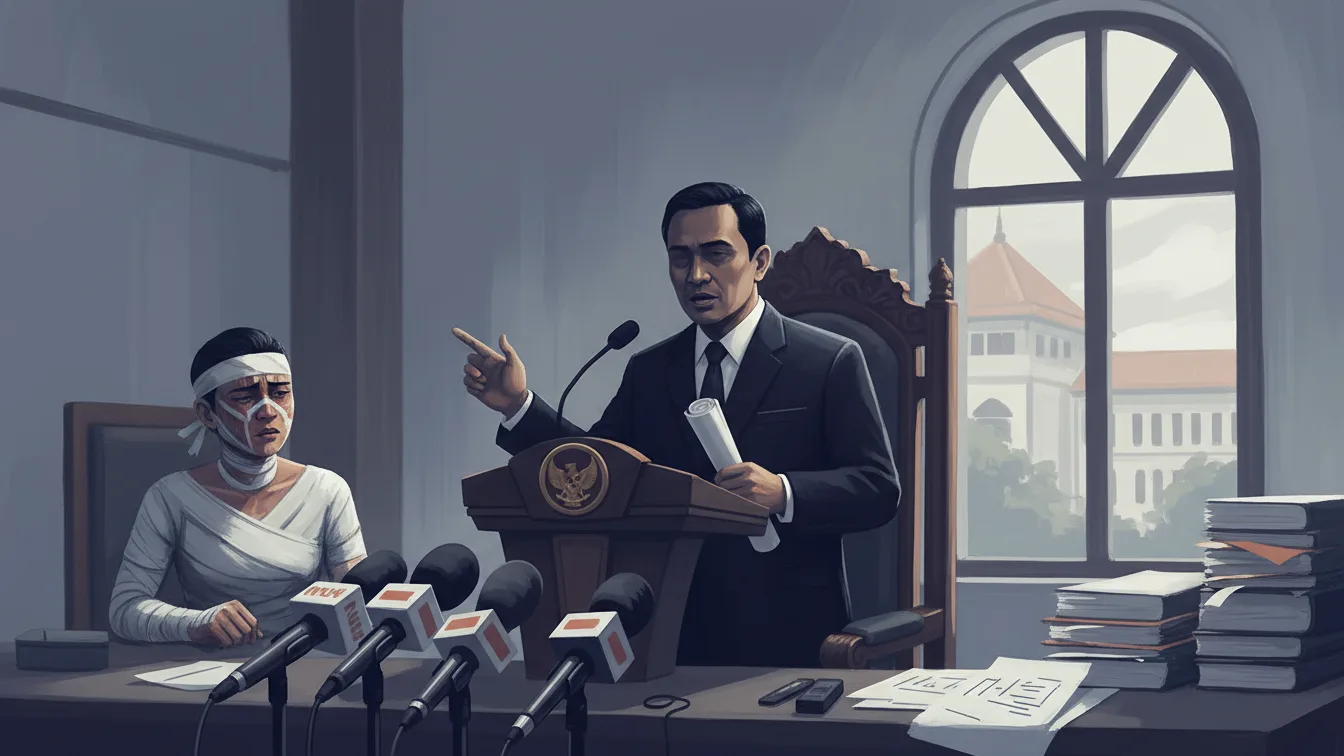
One of the dark portraits of this intimidation is clearly recorded in our press history, as experienced by the Tempo Office. They have experienced quite terrible physical terror, namely being sent a package containing a pig's head as a form of psychological threat (Muzakki, 2025). [6] Primitive actions like this are not just personal attacks, but a dark message to silence critical reasoning and create a chilling effect (chilling effect) for anyone who dares to uncover the corruption of power. This proves that when legal instruments begin to become blunt to silence the media, methods of intimidation beyond the limits of humanity begin to be played.
Opposition Moves Contract
So, where exactly did the opposition in Indonesia go? The answer is tragic but simple: the opposition no longer resides in the magnificent Senayan building, but has "moved its contract" to the streets, gadget rooms, and editorial desks. The structural power that should have been a counterweight has now been paralyzed by the political lust for accommodation which gave birth to a grand coalition.
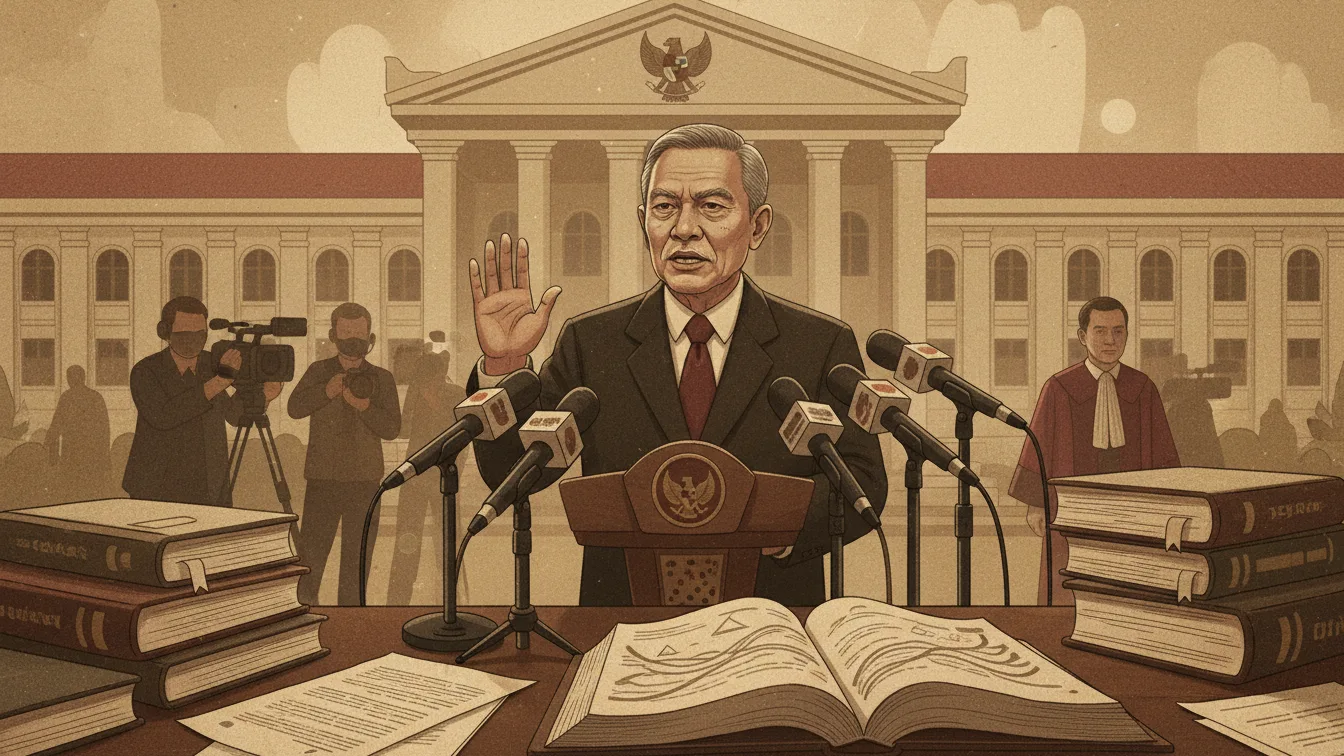
When almost all party colors melt into one line of power, the check and balances function is not just weakening, but in a state of suspended animation. The parliament which should be the "guardian" of the people's interests has now turned into a "stamp" for every executive ambition. Without a strong opposition in parliament, any public policy, no matter how severe its impact on the people, will pass smoothly without meaningful debate. This is a danger signal for democracy, because power without supervision is a red carpet towards authoritarianism and structured corrupt practices.
This "moving contract" phenomenon is the last line of defense for democracy. When the doors in the Parliament building are closed to criticism, the public voice will find its own way through non-formal channels. Mass media now carries a heavy burden as the de facto opposition, while social media becomes the judge's hammer for policies that are considered odd. The people are forced to take over the supervisory function left by their representatives who are busy "hugging" power.
In the end, when political parties prefer to maintain harmony within the government, it is natural for the public to become more critical. This is not just a complaint, but a way for the people to fill the void of the supervisory role left by parliament. When the seats in Senayan feel too comfortable, then discussions in the editorial room and peaceful actions on the streets become the last hope that our democracy does not go in one direction. Here we hope that these public spaces will remain free, because that is where the nation's conscience is maintained.
If this last stage is also tried to be seized through regulations that silence, then we no longer live in a democratic country. We are only watching a long monologue performance, where the government is busy praising itself every day, while the people are forced to be silent spectators.

















Write a comment