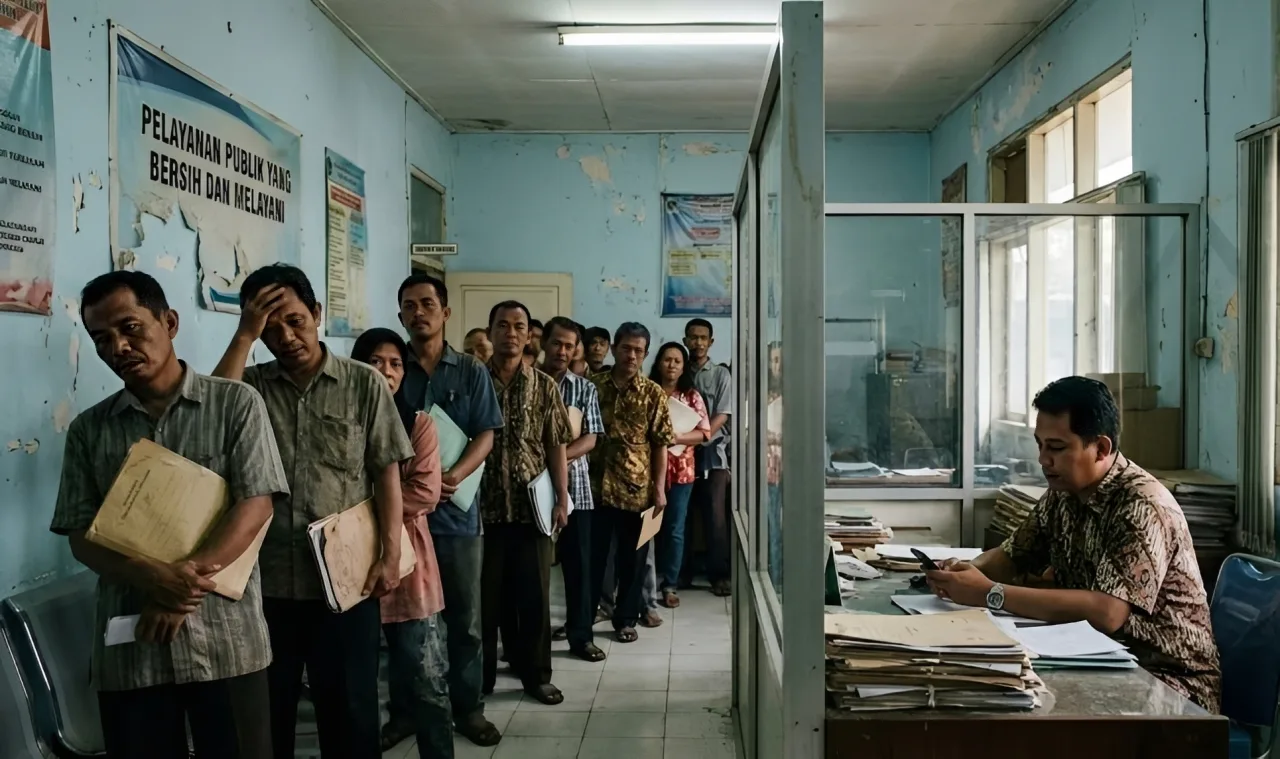
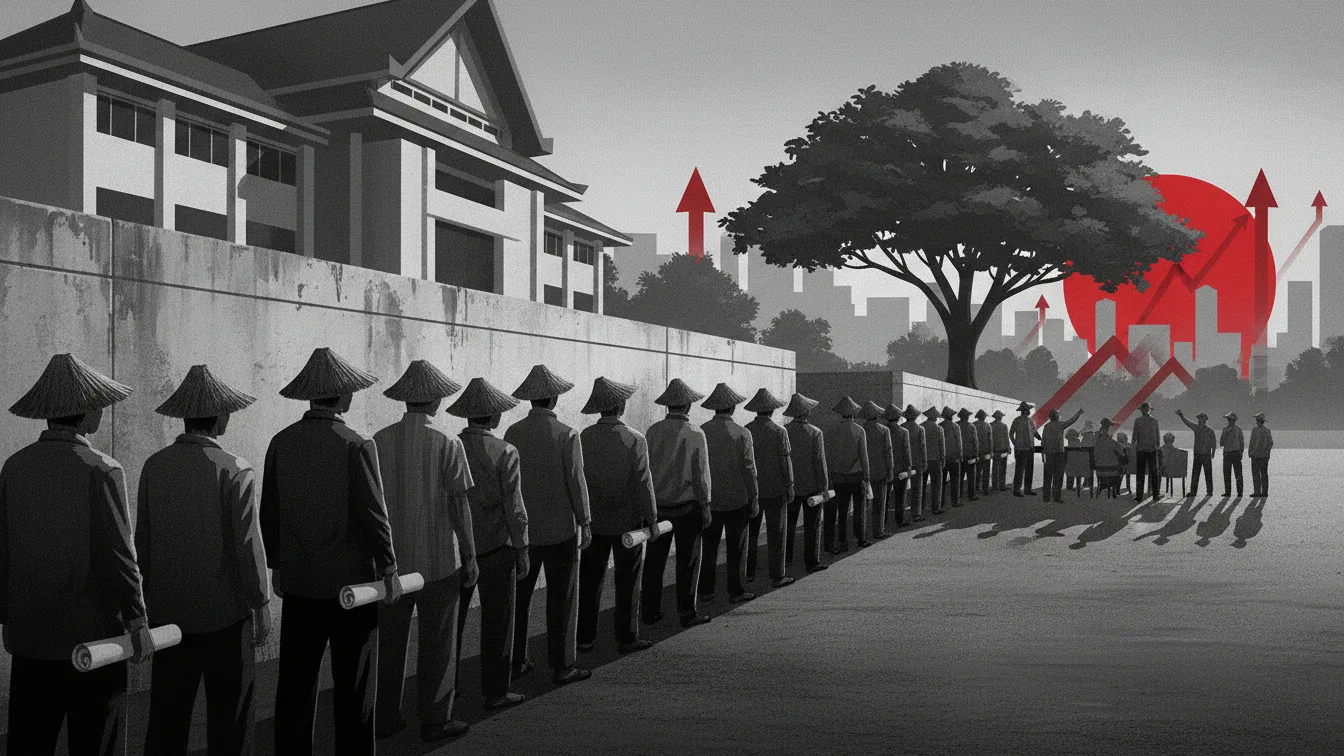
Legal Literacy - Imagine a morning in the office public service where a citizen has to wait for hours only to be told that the official in charge is in a "meeting", while behind the counter glass, piles of files that should have been completed yesterday are left to gather dust. This sight is so common, so banal, that we tend to accept it as a "risk of life" in this country. However, behind the lethargic face of the bureaucracy, there is a large sore that in our legal discourse we call maladministration. The problem is, in our legal governance, maladministration is often only considered a forgivable "typo" or "procedural oversight" with a formal apology or a verbal reprimand that leaves no trace. When practices like this are accepted as normal, the state is actually teaching one dangerous thing: that negligence of power is not a mistake, but a tradition. Maladministration is not just a procedural failure, but a crime of power legalized by custom.
Maladministration as a Crime of Power in the Rule of Law
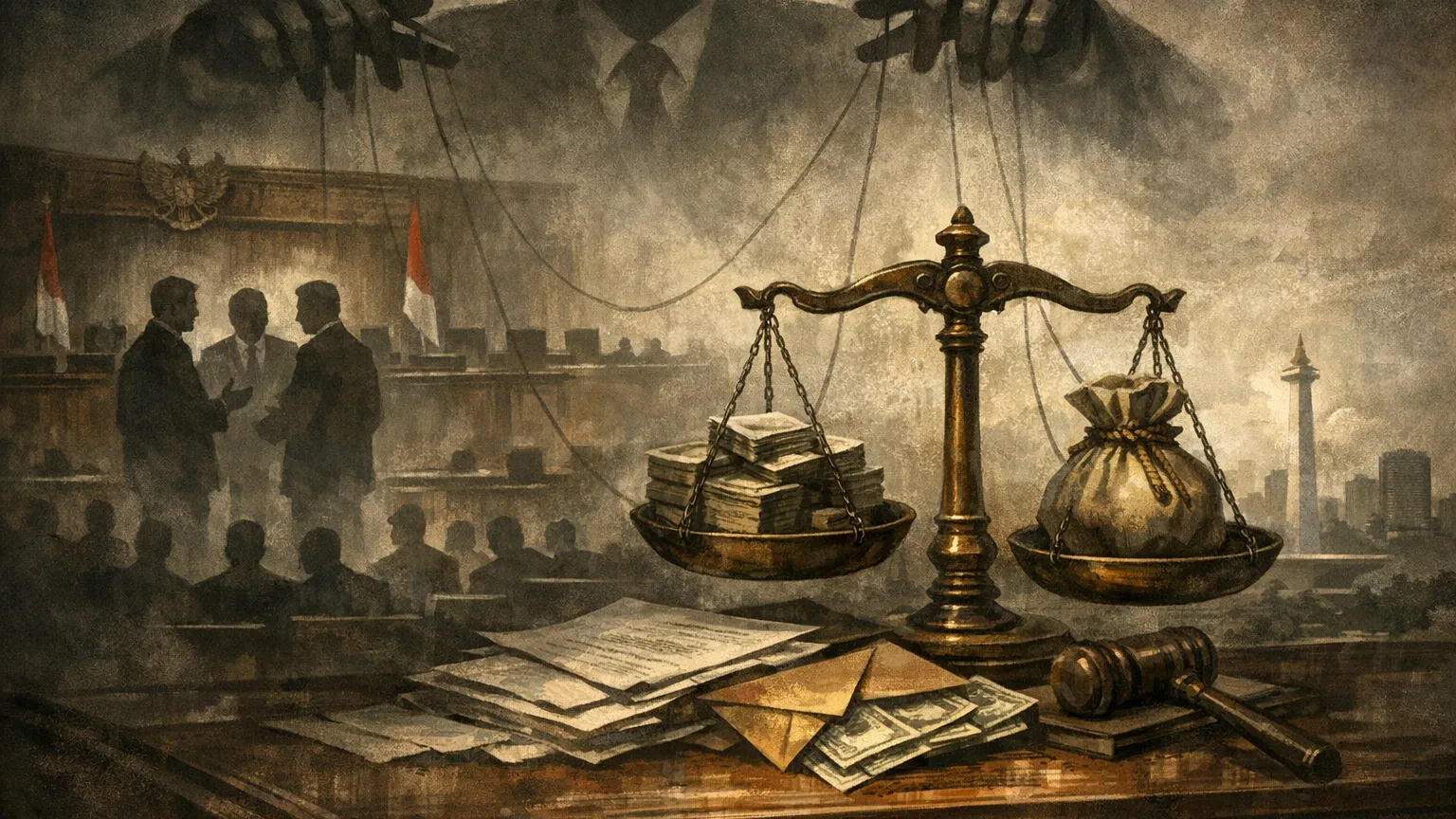
Every government action, no matter how small, is essentially an extension of power that must be subject to the law. As emphasized by Hadjon (2007: 95), every government action must be legally and morally accountable because it concerns the use of authority that comes from the people's mandate. So, if we delve deeper into the recesses of legal philosophy, maladministration is actually the most real form of betrayal of the social contract. When the state fails to provide proper services, it is actually systematically injuring the constitutional rights of citizens. We need to build a new legal construction: that serious maladministration is a convergence of unlawful acts by the authorities (onrechtmatige overheidsdaad), gross negligence, and violations of citizens' constitutional rights. In perspective of state administrative law, compliance with the General Principles of Good Governance (GPGG) is not an option (optional), but an obligation (imperative).


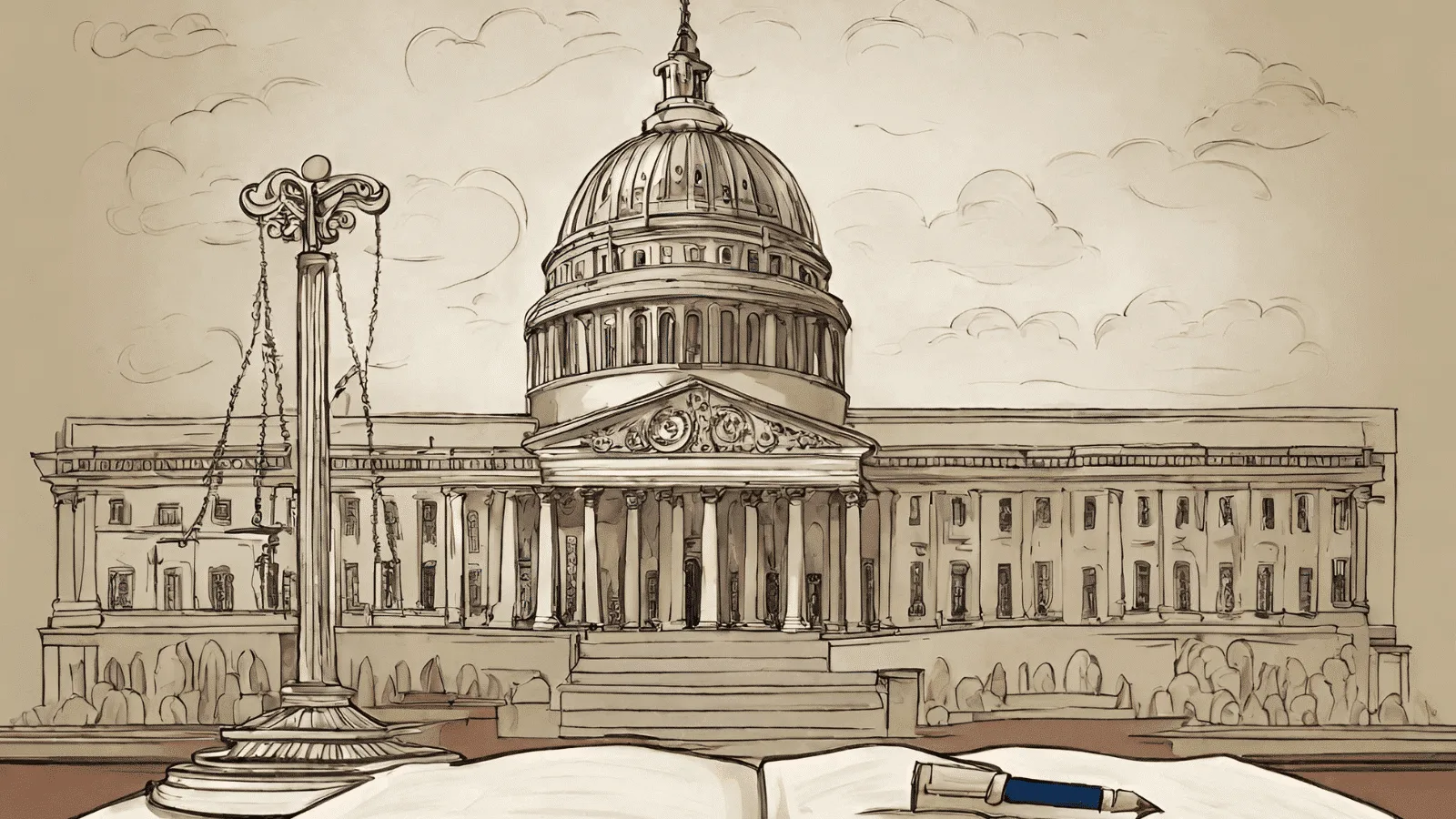
As stated by Ridwan (2016: 182), the GPGG is a benchmark for the validity of government actions; without it, we will only be trapped in a condition of "a shameless state," a condition in which violations of procedure are considered a common occurrence.
Normalization of Negligence and the Collapse of Legal Dignity
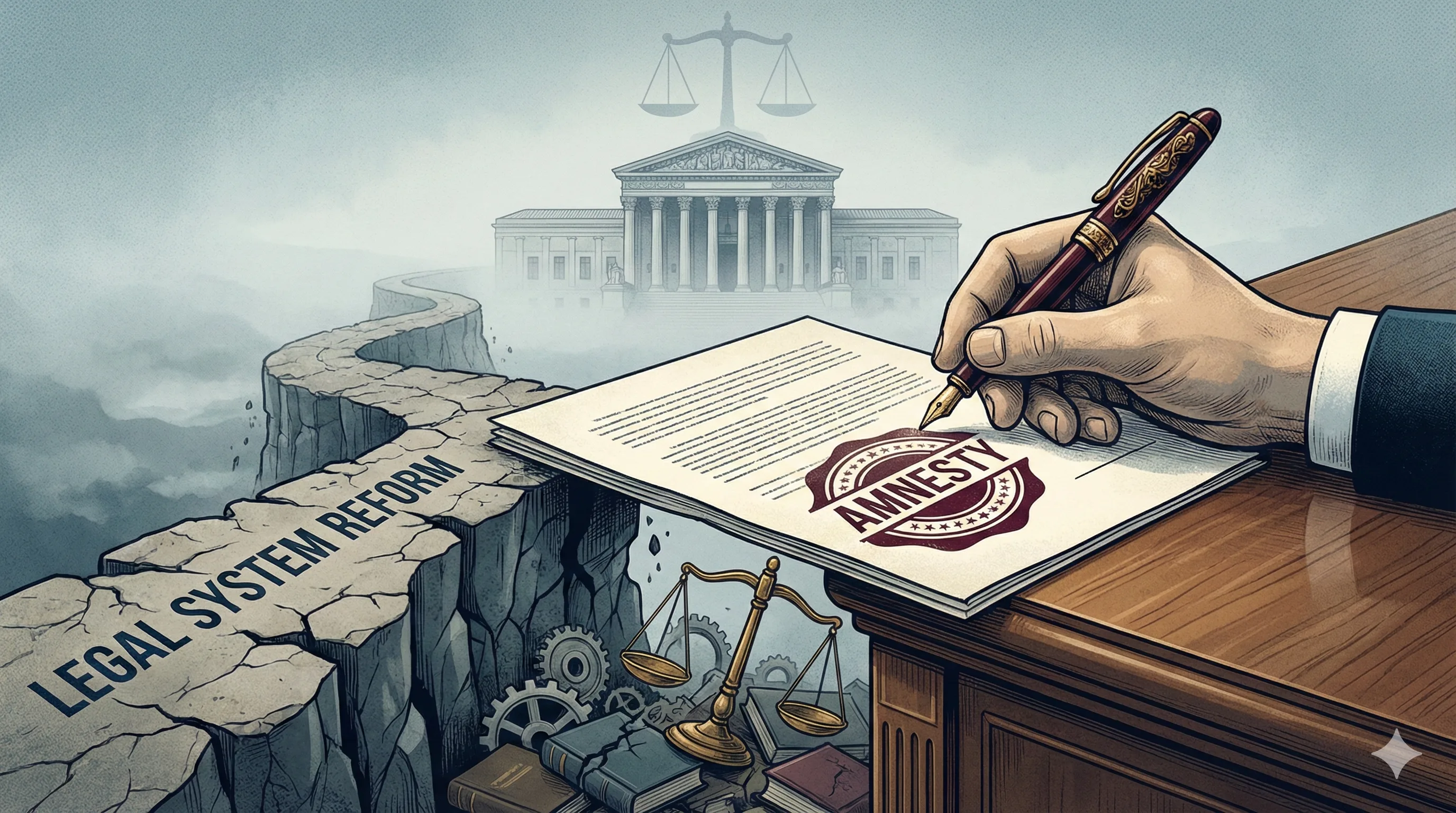
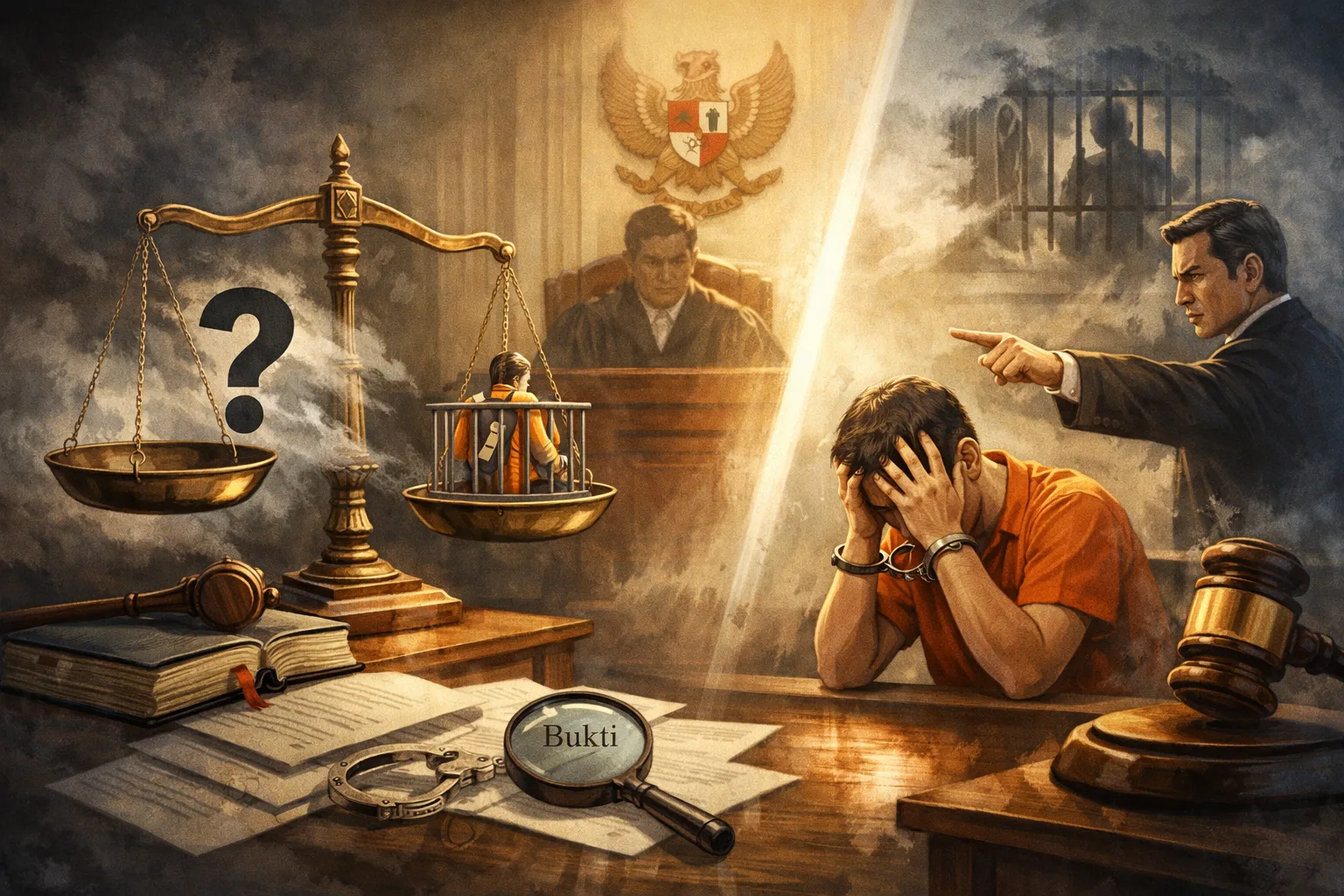
In the midst of this banality, we need to pause for a moment and ask questions that challenge the existence of our law. If maladministration that violates constitutional rights is not considered a serious offense, then what law are we actually protecting? If a small citizen is punished for stealing a pair of sandals for survival, while an official who emasculates the rights of thousands of people through a procedurally flawed decree can still walk away without any sanctions other than an "administrative reprimand," where is the dignity of our law? This inequality shows that we are nurturing a system that values the formality of office more than the substance of justice. We are trapped in the narrow logic that a "crime" only occurs if there is an illegal flow of funds, while the practice of killing legal certainty through maladministration is considered a residue of development that can be morally justified.










Comments (0)
Write a comment