
Legal Literacy - Within society, law plays a very important role in maintaining order and justice. However, the question often arises, "Law for whom?" Does the law only apply to certain groups or is every individual considered equal before the law?
As a state based on the rule of law, Indonesia has a constitution that regulates the rights and obligations of every citizen. In the 1945 Constitution, it is explained that every citizen has the same rights before the law and the state. However, in practice, there are differences in legal treatment between the upper and lower classes.


Legal Treatment of the Upper Class
It is undeniable that the upper class often receives more favorable legal treatment. They have easier access to qualified lawyers and are able to pay expensive legal fees. This allows them to obtain more favorable legal decisions in court.
In addition, the upper class also has greater access to political networks and power. They can use their relationships and influence to avoid or minimize the legal consequences of their actions. This often prevents them from receiving the punishment they deserve.
Legal Treatment of the Lower Class
On the other hand, the lower classes often have difficulty accessing justice. They often do not have sufficient knowledge and resources to deal with complex legal processes. In addition, they are often unable to pay expensive legal fees.
The legal treatment of the lower classes is also often unfair. They are often victims of discrimination and abuse of power by those in power. Law enforcement against them is often stricter and disproportionate compared to the upper classes.
The Struggle Towards Legal Justice
Although there are differences in legal treatment between the upper and lower classes, that does not mean we must give up and accept injustice. There are many efforts that can be made to fight for legal justice for all individuals in society.
First, it is important for us to increase legal awareness in society. By having sufficient knowledge about our rights, we can be more courageous and able to face legal processes wisely.
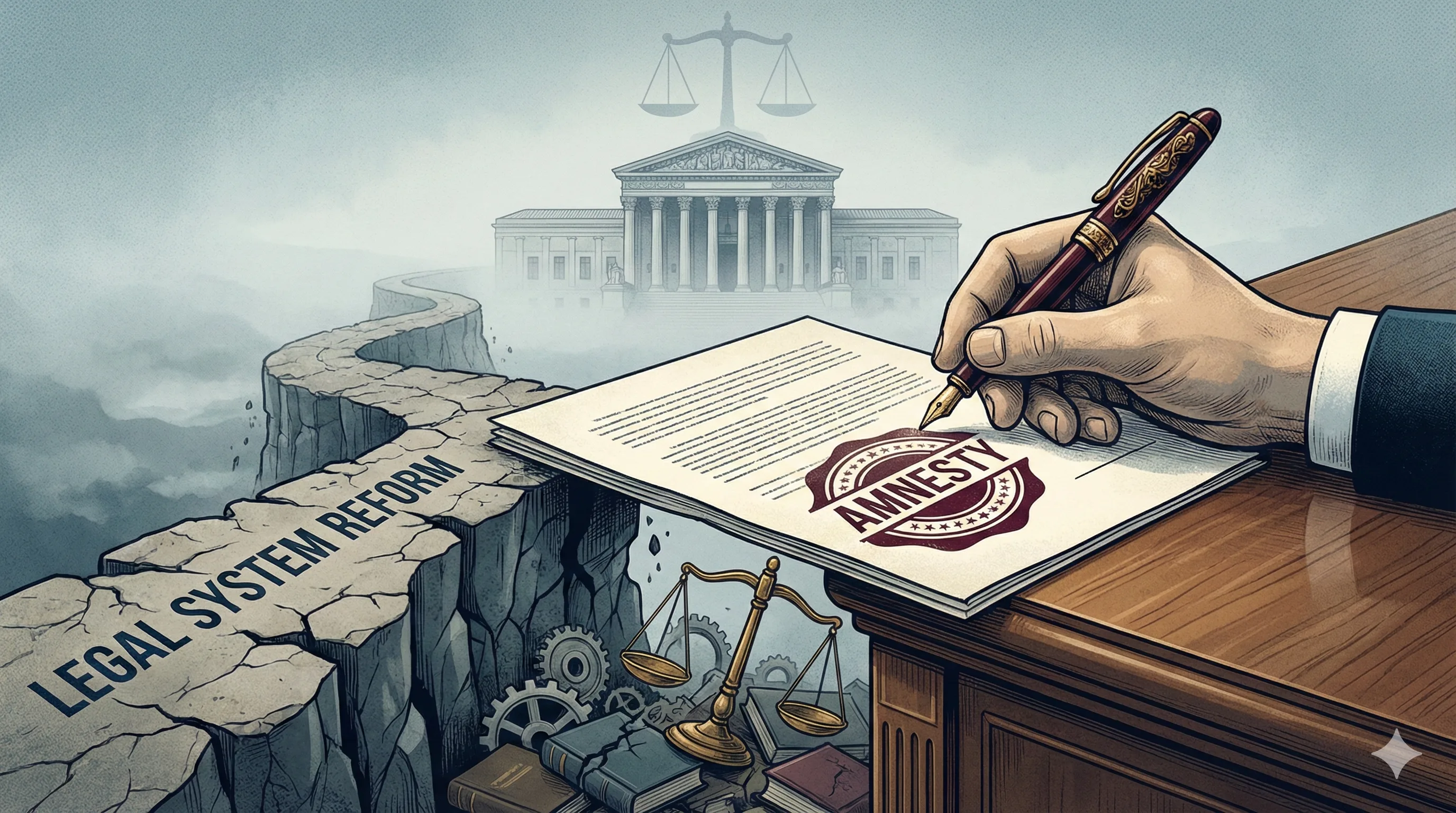
Secondly, there needs to be a legal reform that prioritizes justice. The government must be committed to providing fair legal protection for all citizens, regardless of social or economic status.
Thirdly, it is important for us to support institutions that play a role in independent and fair law enforcement. By supporting these institutions, we can ensure that every individual receives equal legal treatment.
Finally, we also need to promote the values of justice and integrity in our daily lives. By being honest and fair individuals, we can contribute to creating a more just and equitable society.
Ideally, the law should apply to all individuals in society without discrimination. However, in reality, there are still differences in legal treatment between the upper and lower classes. Therefore, the struggle to achieve legal justice must continue to be carried out by all parties who care about justice and the sustainability of the legal system in Indonesia.











Comments (0)
Write a comment