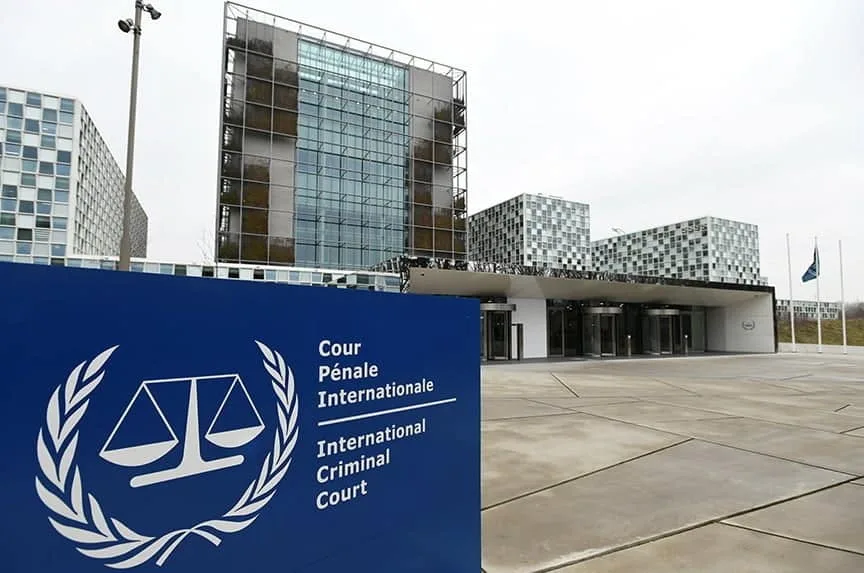
The International Criminal Court ("ICC") is an international court with the authority to try extraordinary crimes at the international level. The ICC was established based on the birth of the agreement The Rome Statute of the International Criminal Court ("Statute Rome") which became effective on July 18, 2002.
Normatively, the ICC is authorized to try several legal subjects who commit extraordinary crimes at the international level. Article 5 of the Rome Statute states that there are 4 forms of these crimes, namely genocide (the crime of genocide), crimes against humanity (the crime against humanity), war crimes (war crime), and the crime of aggression (the crime of agression).


Crimes Against Humanity in the Rome Statute
Crimes against humanity are crimes aimed at the civilian population. It is broad and systematic in nature, and relies on the full awareness of the perpetrators. Articles 7 paragraphs 1, 2, and 3 of the Rome Statute regulate at least 11 forms of crimes against humanity.
The first form is murder. This is a crime that attacks the lives of civilians through a series of specific acts.
The second form is extermination. This is a crime that eliminates the access of civilians to social life, including destroying food and medicine.
The third form is enslavement. This crime includes human trafficking, especially against vulnerable groups such as women and children.
The fourth form is forced deportation. The perpetrators of this crime make any effort to make civilians leave their homes without valid reasons under international law.
The fifth form is imprisonment or severe deprivation of physical liberty in violation of fundamental rules of international law.
The sixth form is torture. The perpetrators of this crime deliberately inflict severe pain or suffering by attacking the physical or mental state of targeted civilians.
The seventh form is acts relating to the sexuality of the body, such as rape, sexual slavery, forced prostitution, forced pregnancy, forced sterilization, or other forms of severe sexual violence.
The eighth form is collective persecution of a group carried out on political, racial, national, ethnic, cultural, religious, gender, or other grounds that are universally recognized as impermissible under international law.
The ninth form is enforced disappearance. This crime includes arrests, detentions, imprisonment carried out on the basis of authority, support, or tacit consent of a state or a political organization. Furthermore, this crime is accompanied by a refusal to acknowledge these acts or a refusal to provide information about the whereabouts of the victims of the crime so that, over a long period of time, the victims are outside the protection of the law.
























Write a comment