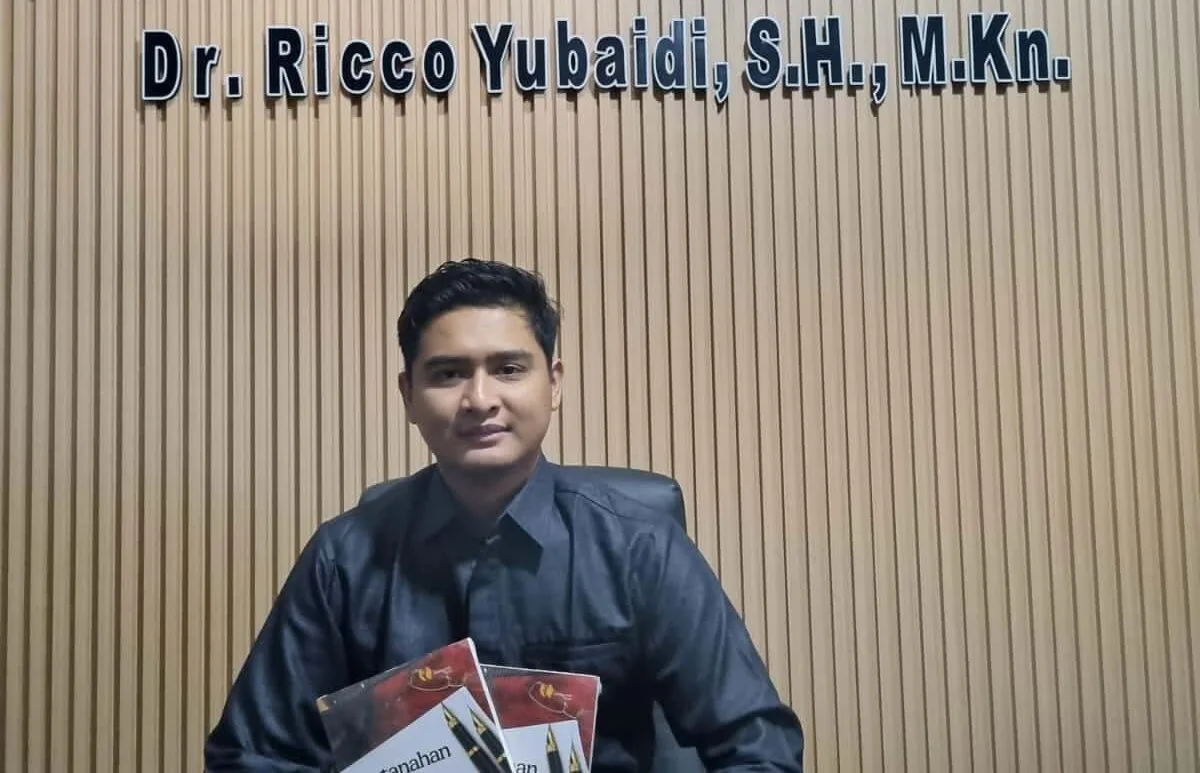
Legal Literacy - Separate property in marriage is often considered entirely personal property. However, what if the spouse contributes? See the legal explanation here.
What is Separate Property in Marriage?
In Indonesian law, separate property is property owned by the husband or wife before marriage, or acquired through grants or inheritance during the marriage. In principle, this property is considered the personal property of each spouse. However, the boundary between personal property and joint property is often blurred in household life.
After marriage, the dynamics of property management can involve cooperation. For example, inherited land is renovated with funds from joint work. This situation raises the question: is the property still entirely personal property?
When Spouses Contribute to Separate Property
One common example is inherited land or houses that are renovated together with a spouse. Although legally it is separate property, the spouse's contribution—whether in the form of material or labor—cannot be ignored.
This is why when legal actions such as sale, grants, or encumbrance of mortgage rights are to be carried out, spousal consent becomes an important requirement. Even the National Land Agency (BPN) requires the signature of the husband or wife in the land administration process.
Why is Spousal Consent Required?
Requesting consent from the spouse does not mean that the status of the property changes to joint property. This approval is a form of legal protection to prevent conflicts from arising later on.
The principles of fairness and transparency in a household acknowledge the contributions of both parties. Thus, the involvement of a spouse is not a threat to personal property, but rather a form of appreciation for participation in increasing the value of assets.

How to Maintain Clarity of Separate Property Status
For couples who wish to ensure that separate property remains recognized as personal property, here are some steps that can be taken:
- Creating a prenuptial agreement or a separation of property agreement before a notary public.
- Separating sources of funds for renovations or asset improvements.
- Recording transactions in an orderly and official manner, not just personal receipts.
However, what is equally important is building open communication between husband and wife in the management of assets.
Challenges in Legal Proof
Some people assume that personal documents such as expense records or receipts are sufficient to prove that their spouse did not contribute. However, in court, this type of proof is often not strong enough.
What is more legally recognized is an official agreement made before a Notary, either before or during the marriage. Without such documents, claims of separation of property will be very difficult to defend in the eyes of the law.
The Important Role of Notaries, PPAT, and BPN
To ensure that the legal process runs smoothly and legitimately, several official parties play an important role:
- Notaries and Land Deed Officials (PPAT) ensure that each transaction meets the legal requirements.
- National Land Agency (Agrarian and Spatial Planning Agency) requires spousal consent documents in land administration processes.
Their involvement is not merely a formality, but a crucial step to maintain legal certainty and prevent future conflicts.
Conclusion: Harmony and Legality Must Go Hand in Hand
Although the law recognizes the existence of separate property in marriage as personal property, in practice there is often overlap with marital property. Spousal contributions, whether large or small, can affect the status and legal assessment of the assets.
Therefore, communication, clear legal agreements, and the involvement of authorized officials are needed to ensure that asset management is harmonious, fair, and in accordance with applicable legal provisions.
Comments (0)
Write a comment